
Tailored solutions include the High Density Interconnect PCB for Consumer & IoT Electronics, enabling ultra-compact designs for smartphones and Wearables. For critical infrastructure, the High Density Interconnect PCB for Telecom 5G & High-speed Computing ensures low-loss data transmission in servers and base stations. In the automotive sector, the High Density Interconnect PCB for Automotive & EV Systems provides robust reliability for Adas and electric powertrains.
Furthermore, the High Density Interconnect PCB for Energy & Power Electronics handles high-current loads efficiently. Precision-driven fields benefit from the High Density Interconnect PCB for Medical & Healthcare Devices and the High Density Interconnect PCB for Aerospace, Defense & Avionics, which guarantee performance in extreme environments. Finally, the High Density Interconnect PCB for Industrial & Automation supports durable, high-speed control systems, delivering comprehensive electronic solutions across the global market.
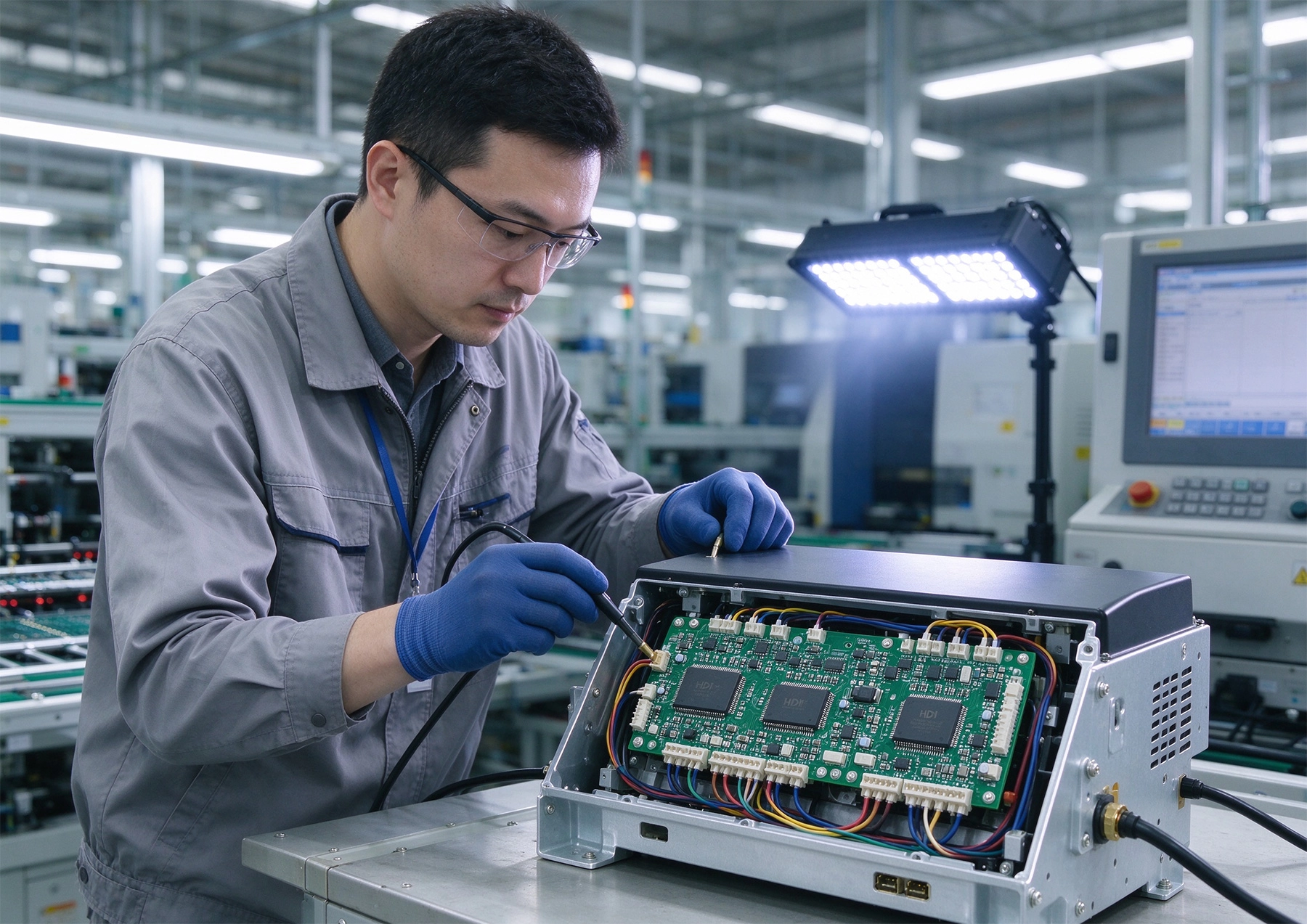
Using HDI Technology in Solar Inverters and Converters October/14/2026 Solar inverters and converters are undergoing a significant transformation. As photovoltaic systems become more powerful, more compact, and more intelligent, the printed circuit boards inside them must handle higher switching frequencies, tighter thermal management, and greater functional density....
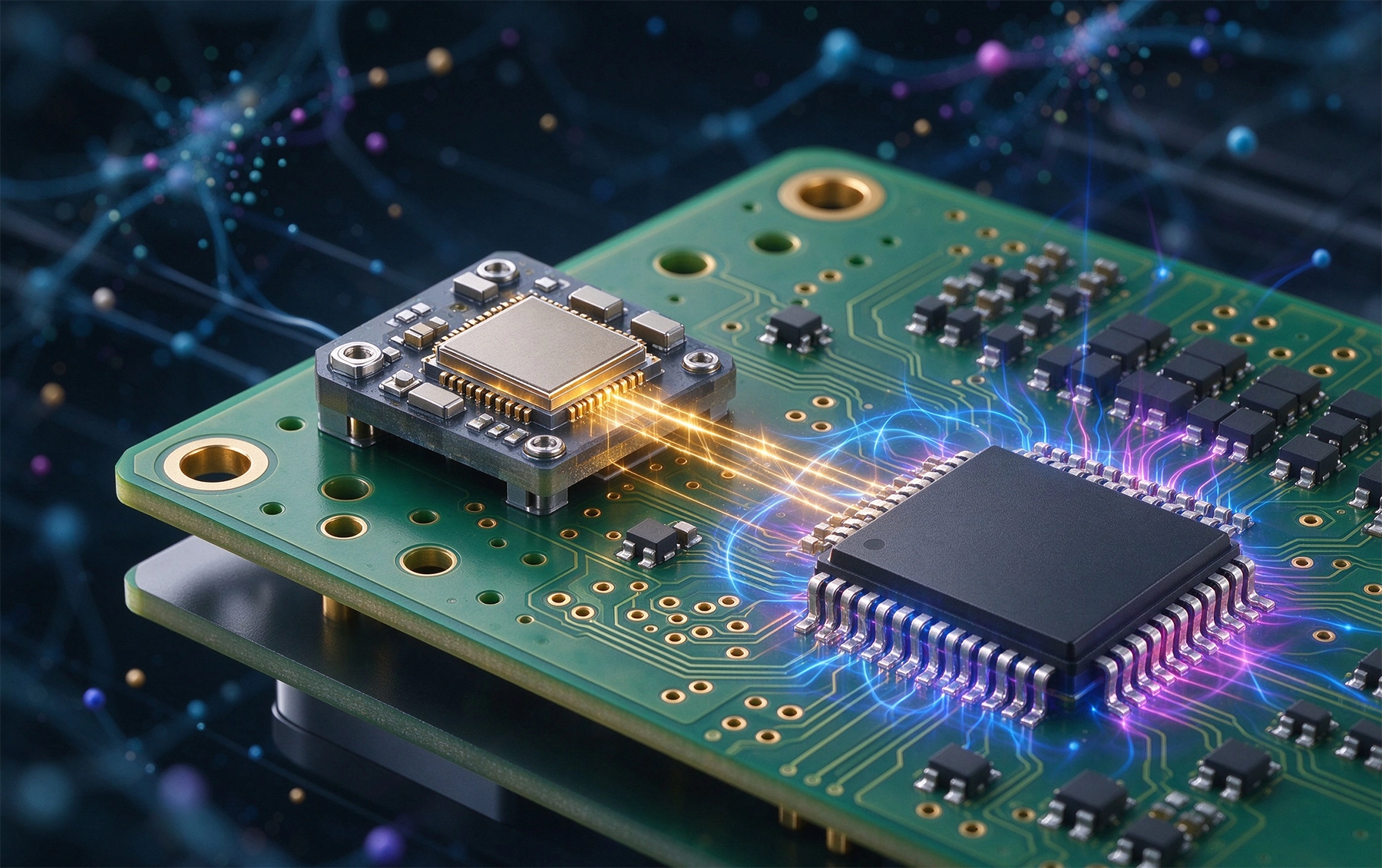
Why IoT Sensors Rely on High-Density Interconnect Technology October/13/2026 Modern IoT sensors are no longer simple devices that read temperature, pressure, or motion and send data through a basic interface. Today’s sensors combine analog front ends, microcontrollers, wireless modules, power management, MEMS structures, and sometimes edge AI processing in extremely small ...
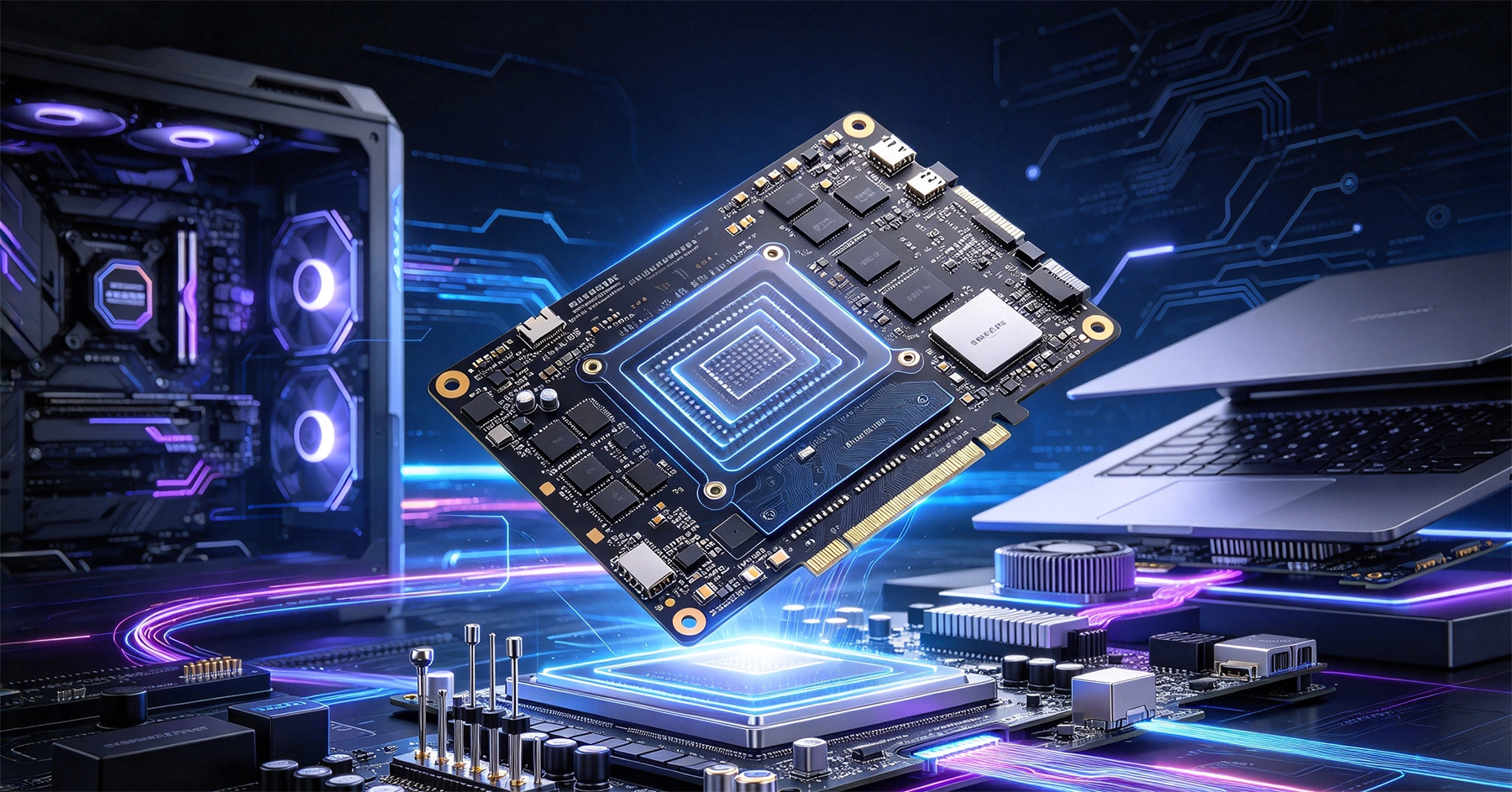
HDI Solutions for High-Performance Gaming Consoles and Laptops October/10/2026 Modern gaming consoles and laptops are pushing hardware limits harder than ever. Faster GPUs, higher memory bandwidth, PCIe 5.0 interfaces, and compact thermal designs all demand more from the printed circuit board. That is why HDI solutions for high-performance gaming consoles and laptops have be...
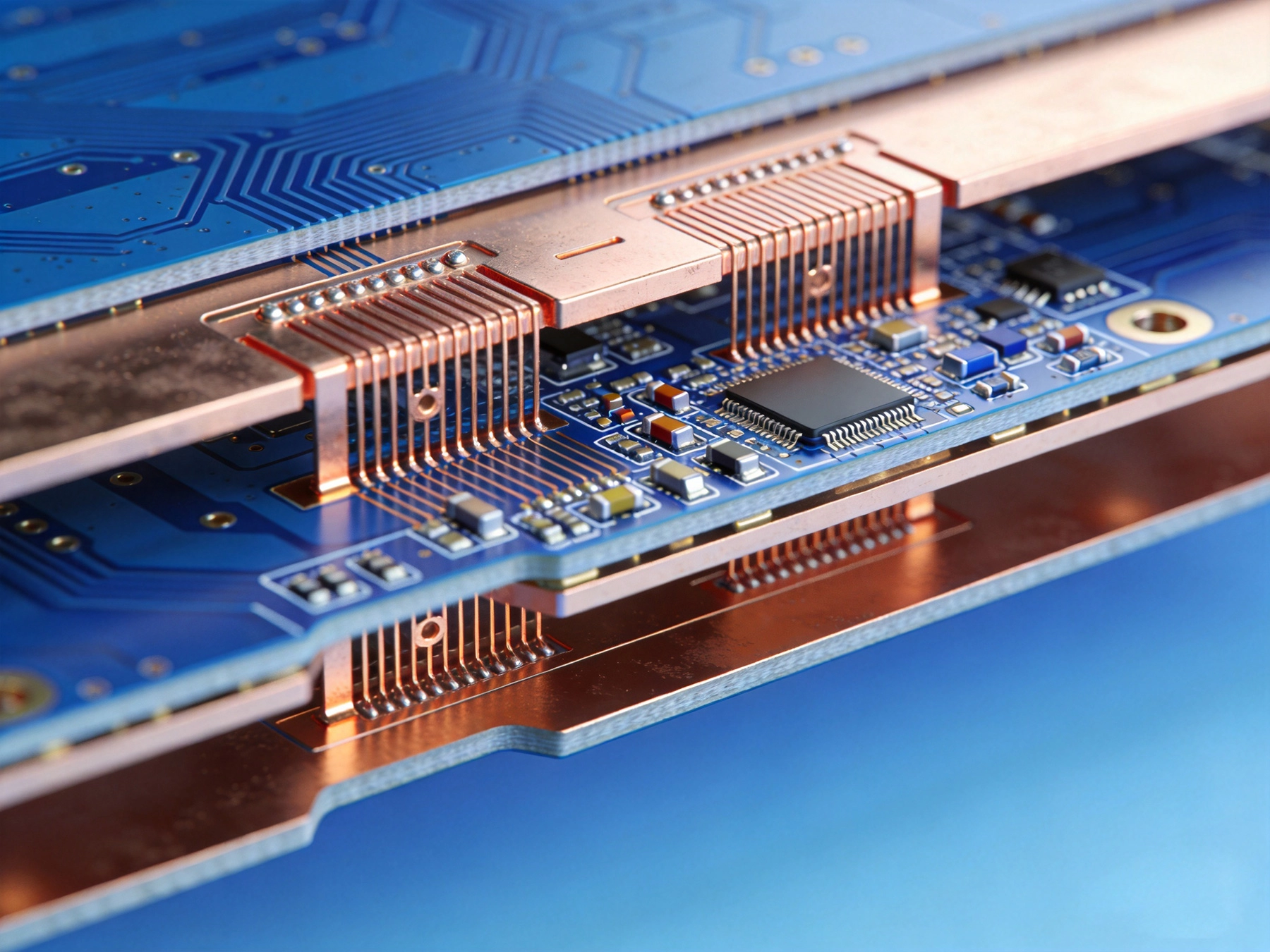
How HDI Technology Enables the Miniaturization of Modern Electronics September/20/2026 Open any smartphone, peel back the EMI shield, and look at the main PCB. What you see is a board roughly the size of a credit card carrying an application processor with 2,000+ solder balls on 0.35 mm pitch, 8–16 GB of LPDDR memory in a package-on-package stack, a mmWave antenna module, hundreds o...
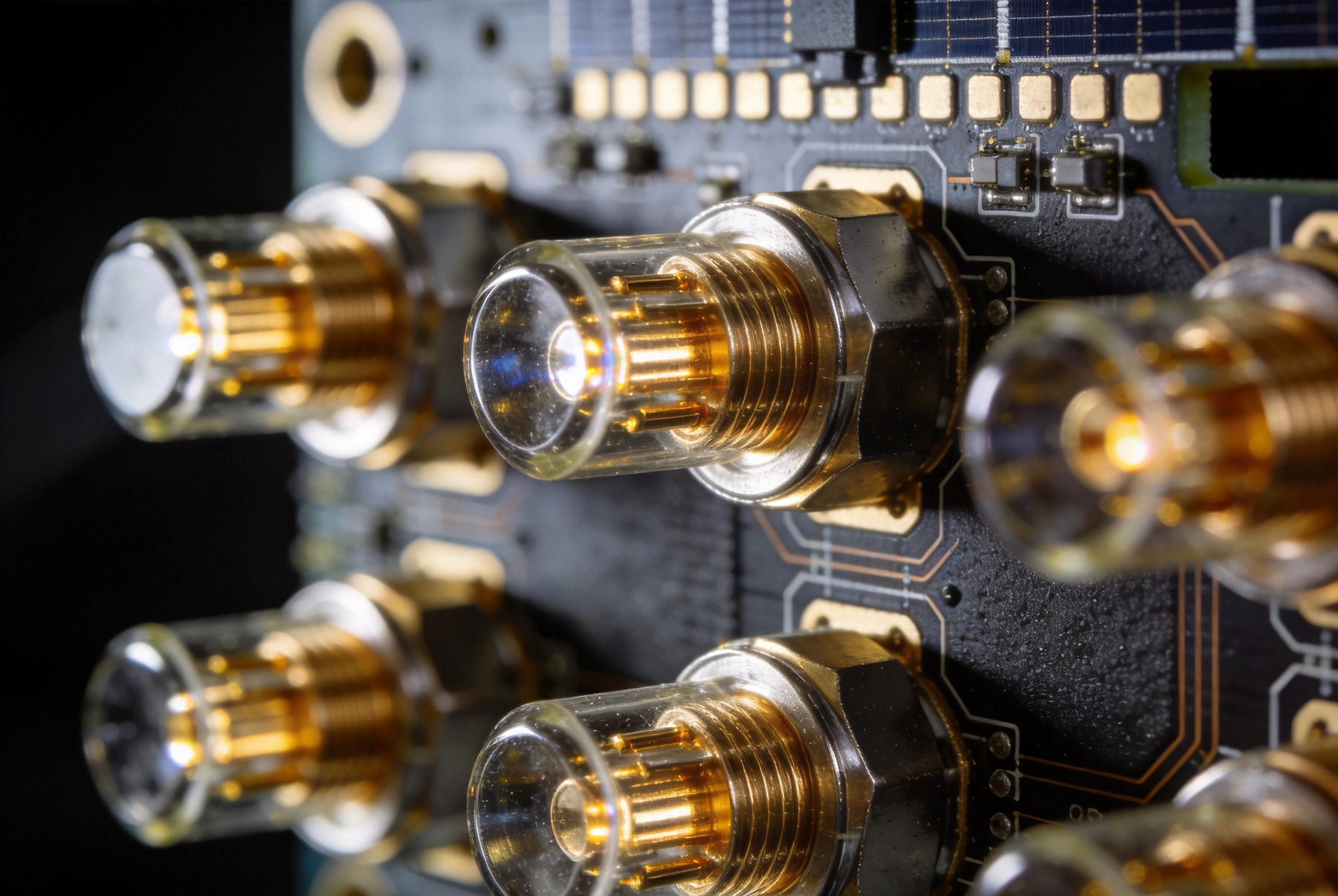
High-Reliability Interconnects for Satellite and Space Communication September/18/2026 In orbit, 35,786 kilometers above the equator, a communications satellite operates in an environment that is almost perfectly hostile to electronics. It is bombarded by radiation from solar flares and cosmic rays, subjected to extreme thermal cycling as it moves between direct sunlight and the col...
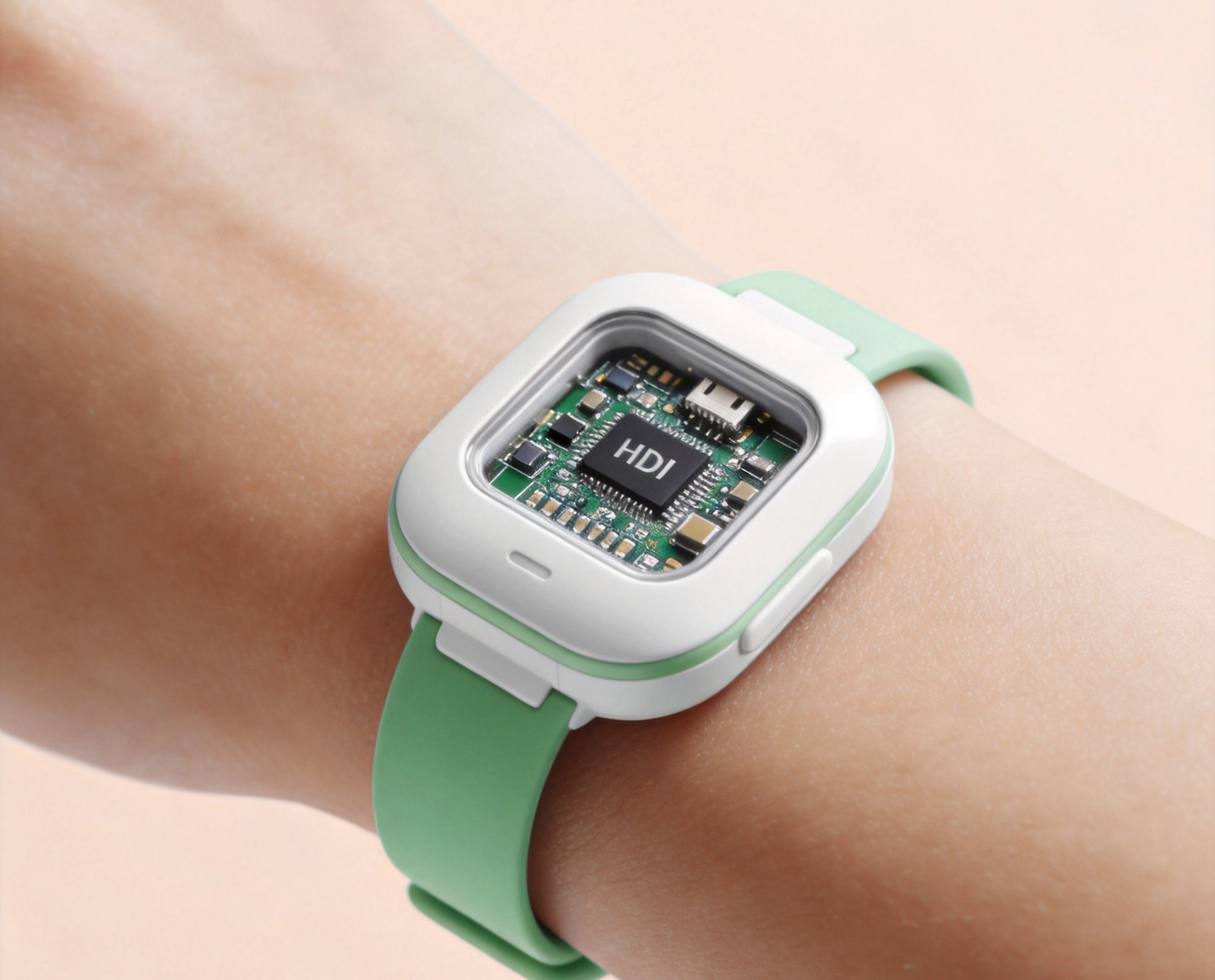
HDI Solutions for Wearable Health Monitors and Diagnostic Tools September/17/2026 The wearable health technology market is experiencing explosive growth, driven by consumer demand for continuous biometric monitoring and clinician demand for ambulatory diagnostic data. From continuous glucose monitors and cardiac event recorders to pulse oximeters and blood pressure watches, the...
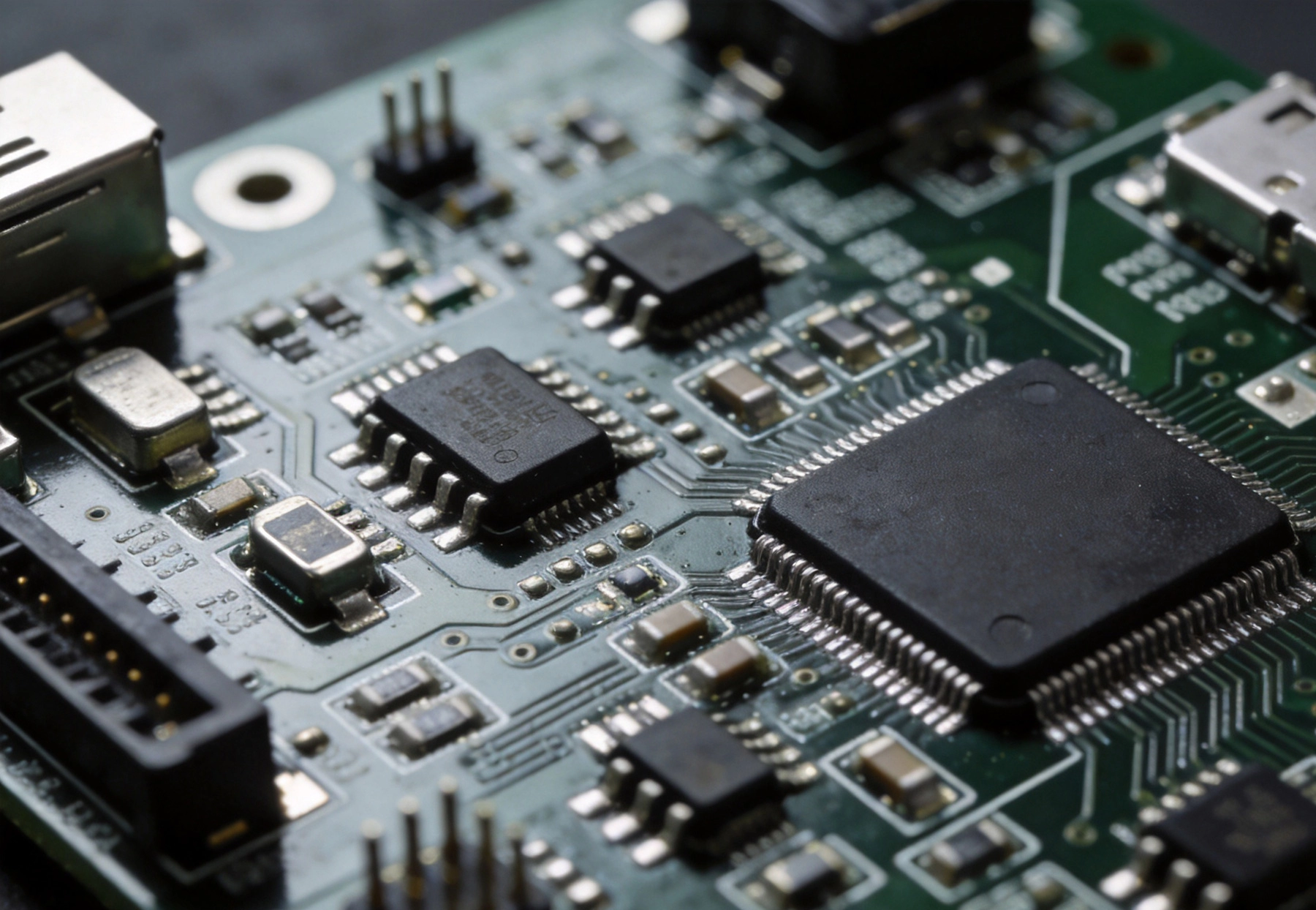
High-Reliability HDI Solutions for PLCs and Motor Drives September/16/2026 Programmable Logic Controllers and motor drives form the operational backbone of modern industrial automation. These systems monitor processes, execute control algorithms, and drive motors with millisecond precision across manufacturing floors that operate around the clock. When a PLC in an automo...
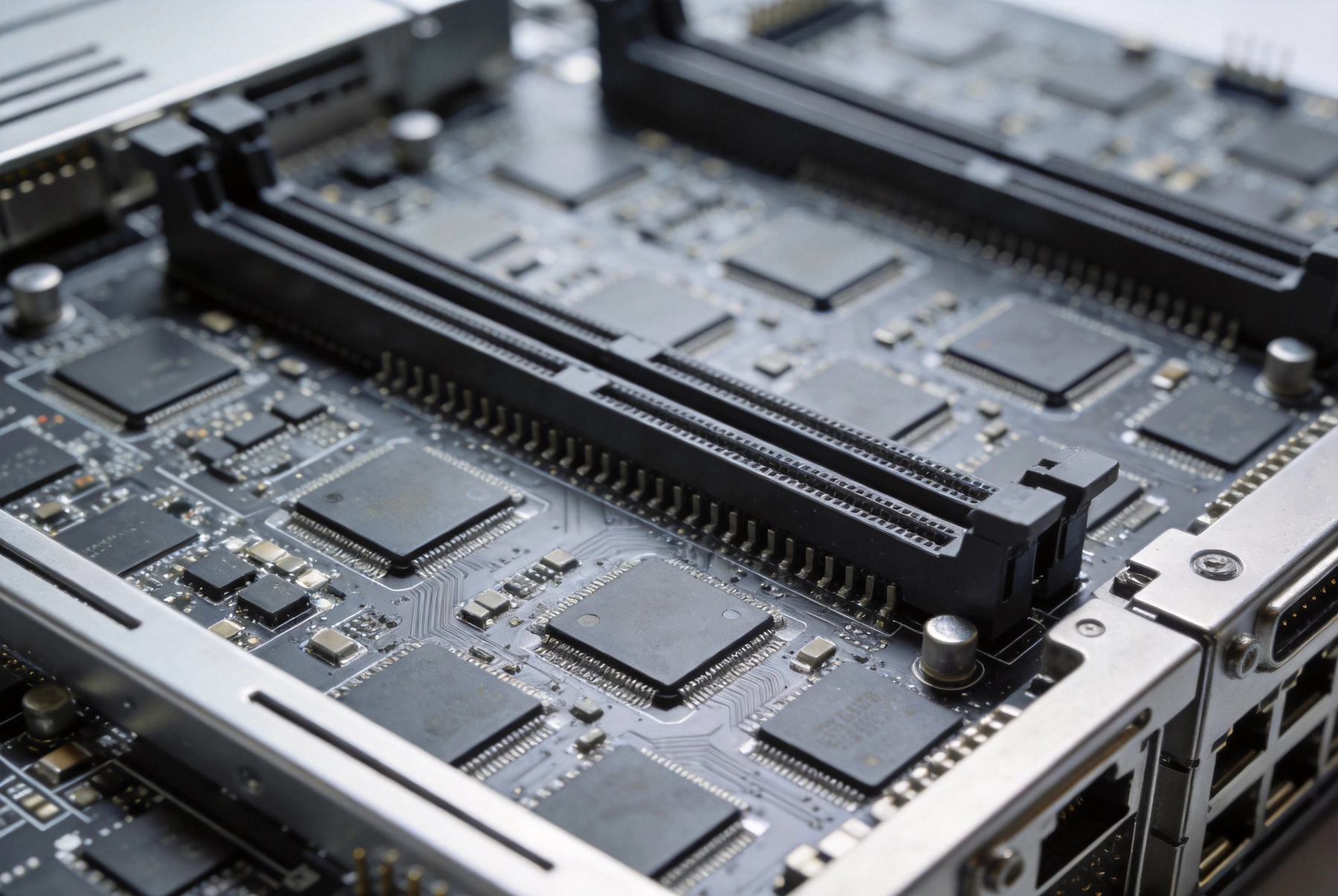
How HDI Technology Supports PCIe Gen5 and Gen6 Computing September/15/2026 The computing industry stands at another bandwidth inflection point. PCIe Gen5 doubled per-lane data rates to 32 GT/s compared to Gen4, and PCIe Gen6 pushes further to 64 GT/s. These increases sound incremental on paper, but the engineering challenges they create are anything but. At 32 GT/s and b...
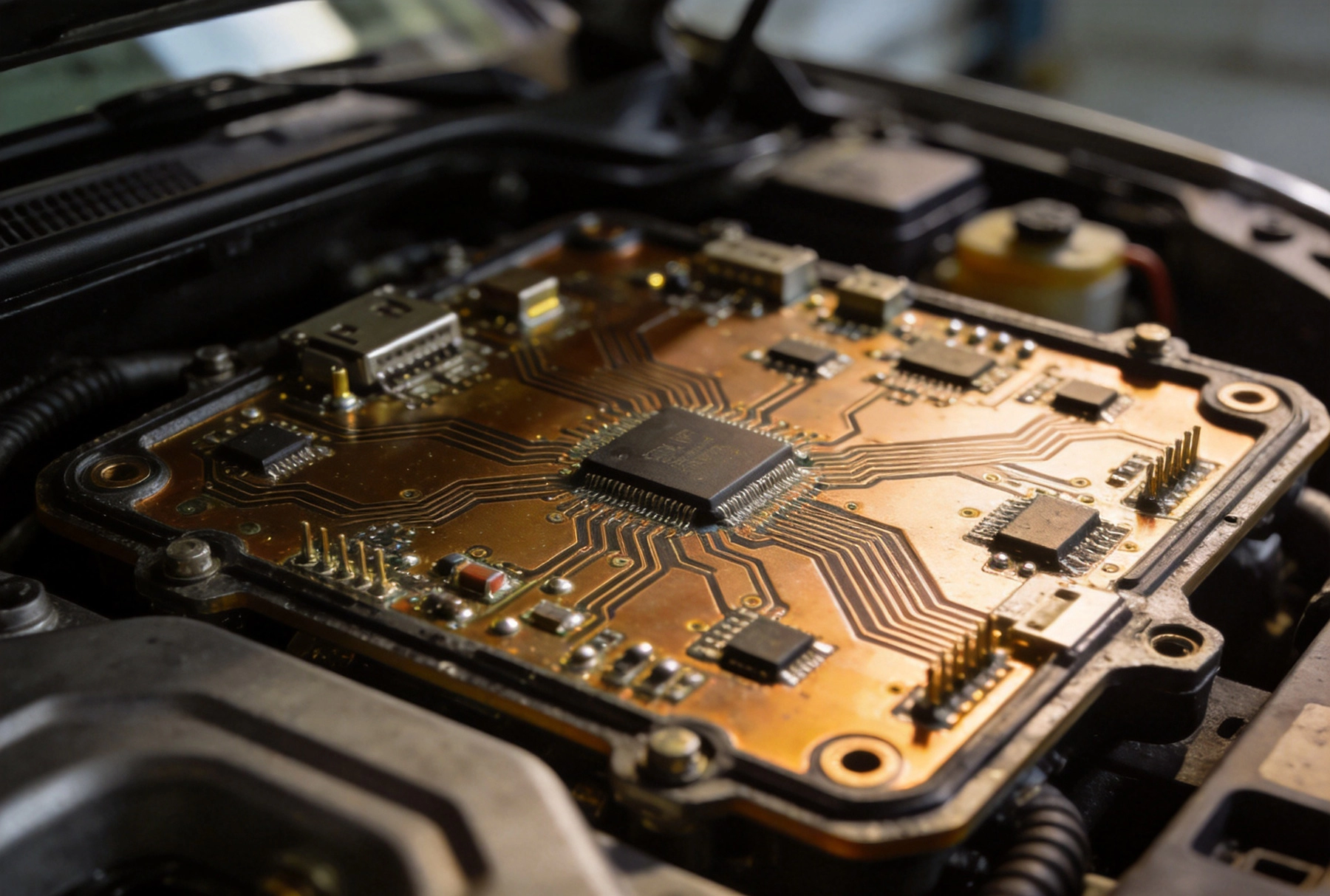
Meeting AEC-Q100 Reliability Standards for Automotive HDI September/14/2026 Automotive electronics operate in environments that would destroy consumer-grade components. Temperature extremes, vibration, humidity, and the constant demand for zero defects over a 15-year lifespan require a fundamentally different approach to design and manufacturing. For HDI boards destined f...
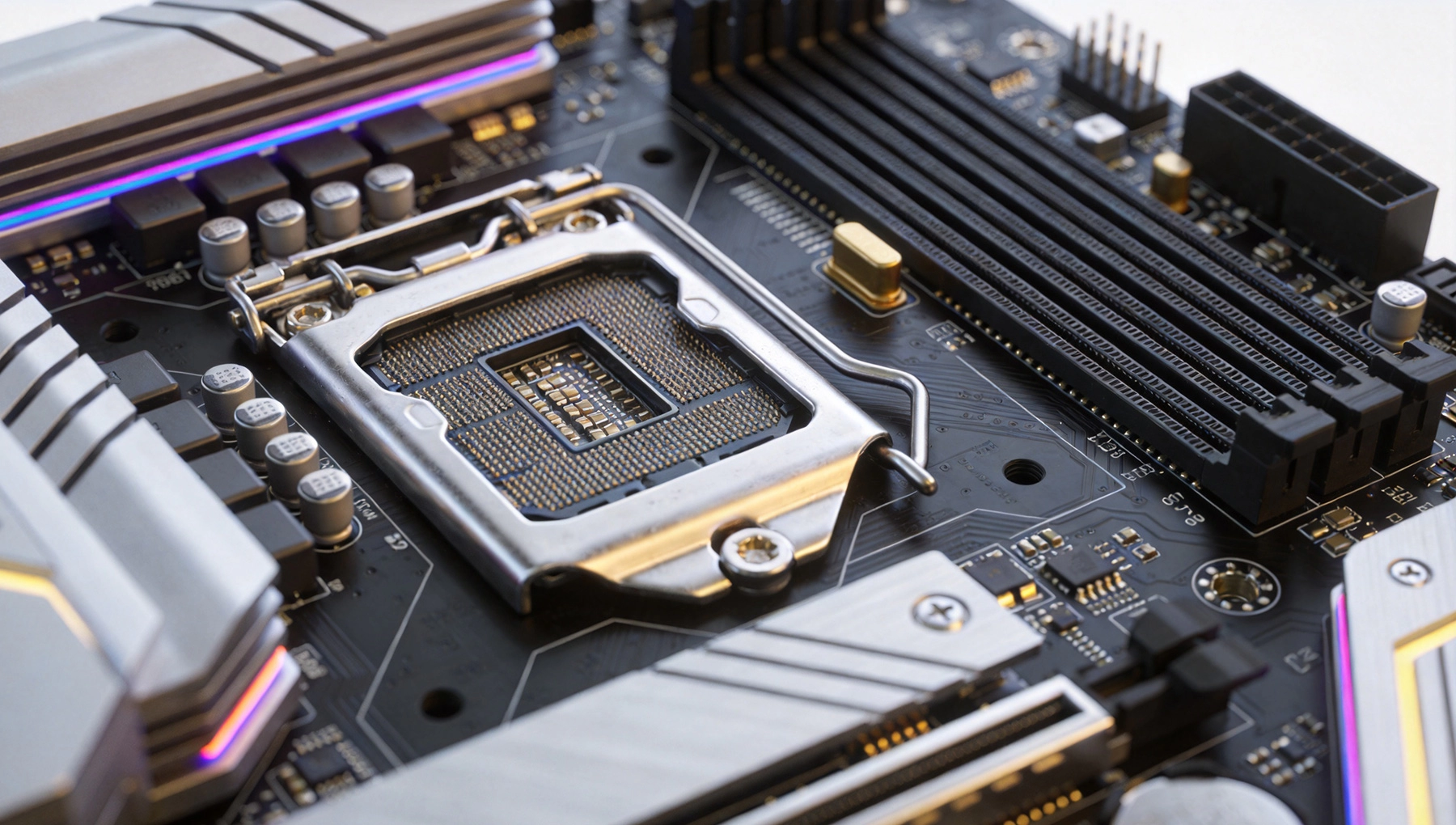
HDI Solutions for High-Performance Gaming Consoles and Laptops September/10/2026 The relentless pursuit of graphical fidelity, processing power, and immersive experiences in modern gaming hardware has pushed printed circuit board technology to its absolute limits. High-performance gaming consoles and laptops demand PCBs that accommodate unprecedented component densities, handl...

The Role of HDI in Avionics and Flight Control Systems August/13/2026 The aerospace industry stands at the forefront of electronic innovation, demanding reliability, performance, and miniaturization that push the boundaries of what printed circuit board technology can achieve. Flight control systems, navigation computers, communication equipment, and sensor arrays a...
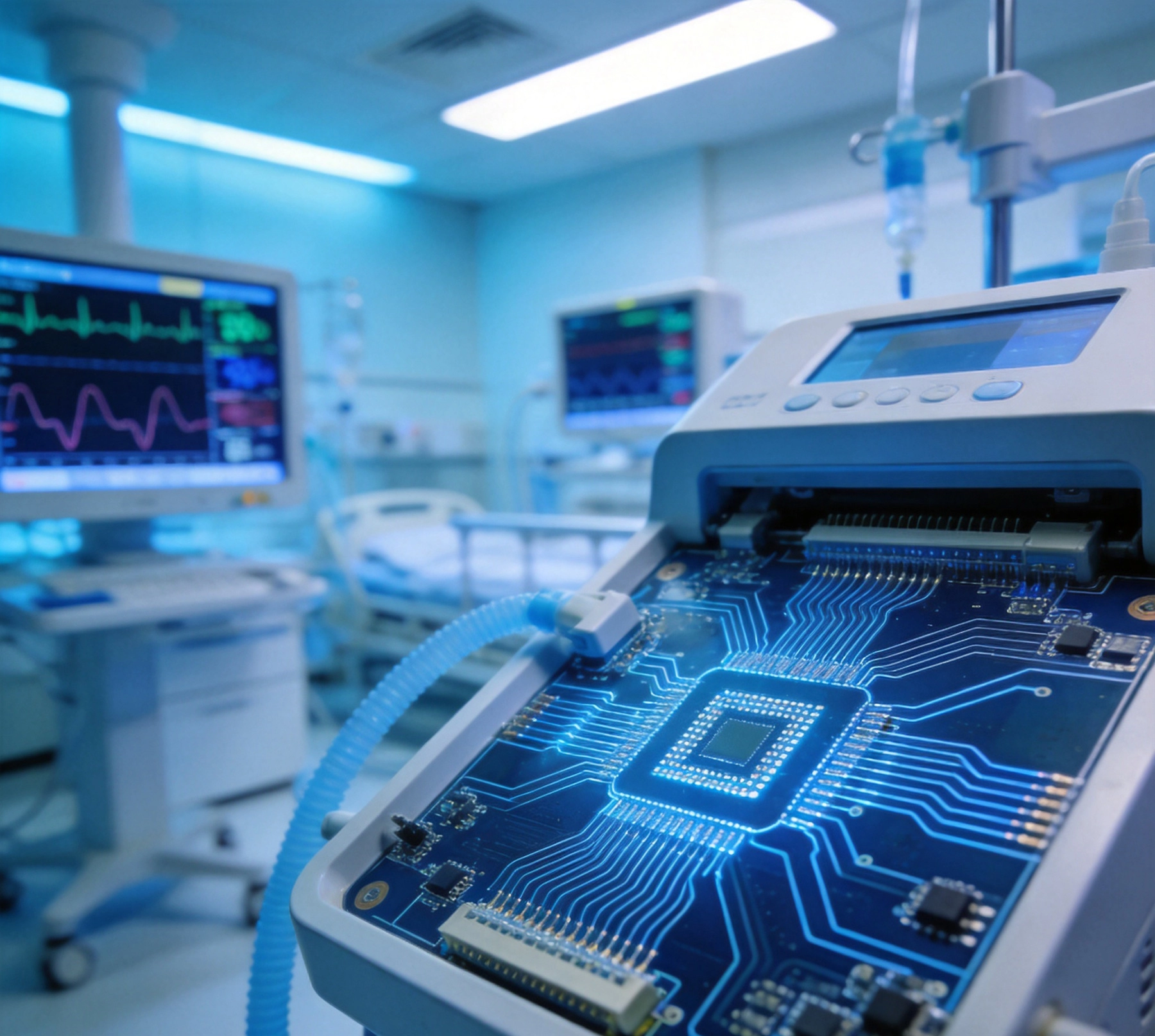
High-Reliability Standards for HDI in Life-Critical Healthcare Equipment August/11/2026 When a PCB fails inside a consumer gadget, the consequence is inconvenience. When a PCB fails inside an implantable cardiac defibrillator, a critical care ventilator, or an infusion pump delivering chemotherapy, the consequence is measured in human lives. The regulatory, material, and process stan...
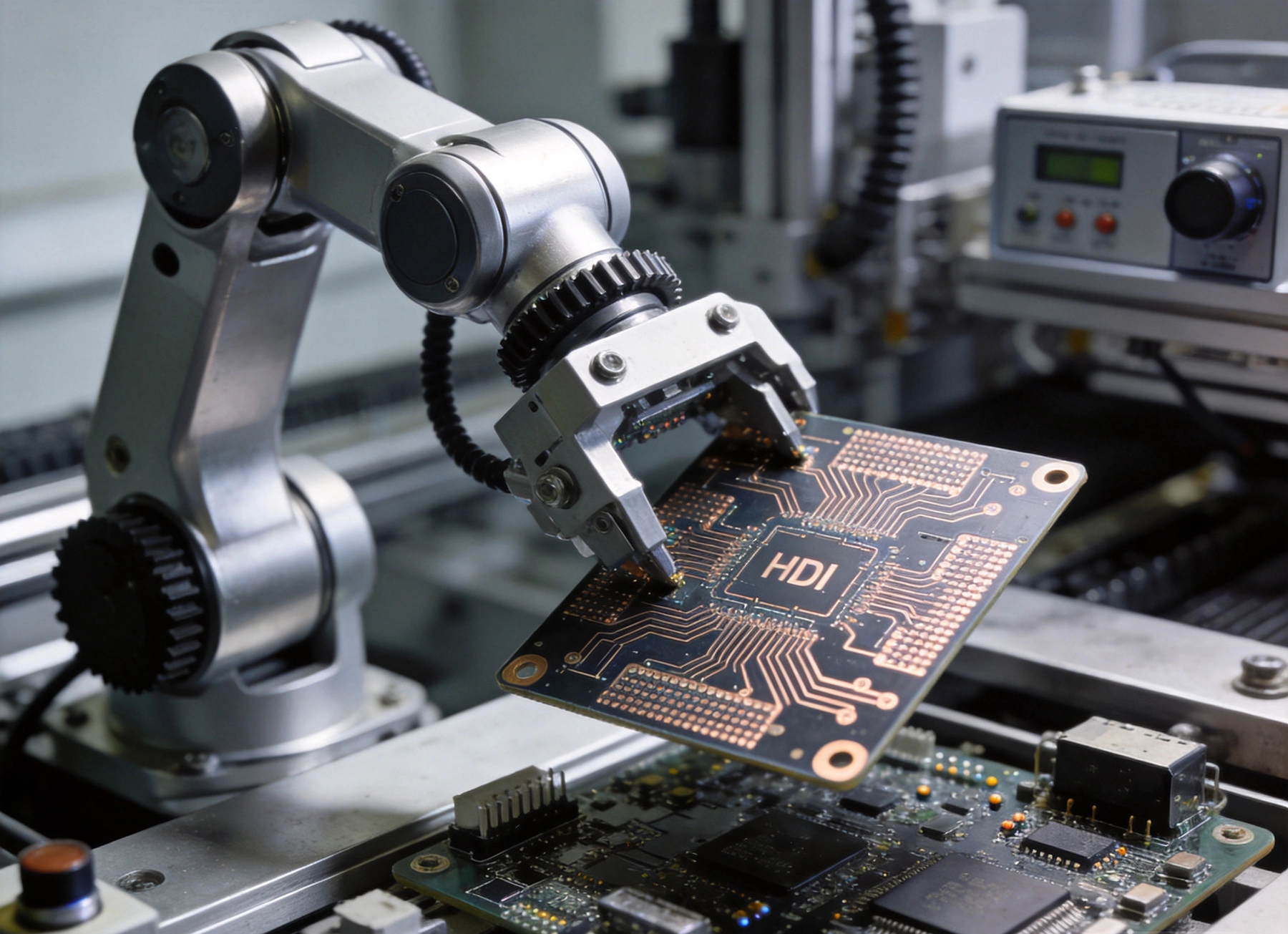
The Role of HDI in Robotics and Motion Control Systems August/10/2026 Modern robotics continues evolving toward smaller footprints, higher performance, and increasingly sophisticated capabilities. Industrial arms perform precise assembly operations while collaborative robots work safely alongside humans. Autonomous mobile robots navigate complex environments while d...
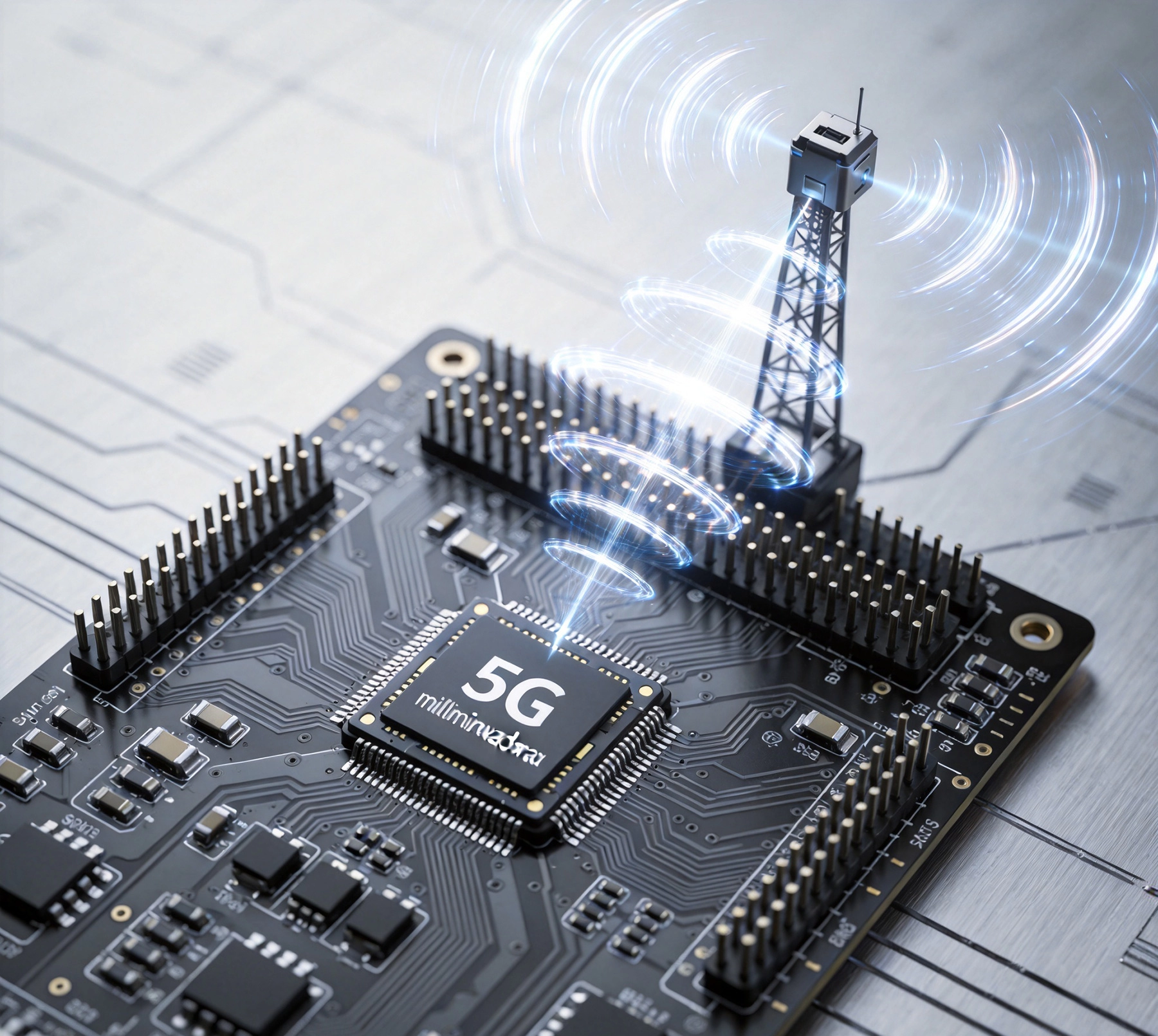
Signal Integrity Challenges in 5G mmWave HDI Designs August/08/2026 The transition to 5G millimeter wave frequencies presents PCB designers with challenges that dwarf those encountered at traditional microwave frequencies. While sub-6GHz cellular infrastructure shares many characteristics with established RF designs, the 24GHz to 100GHz spectrum that enables multi...
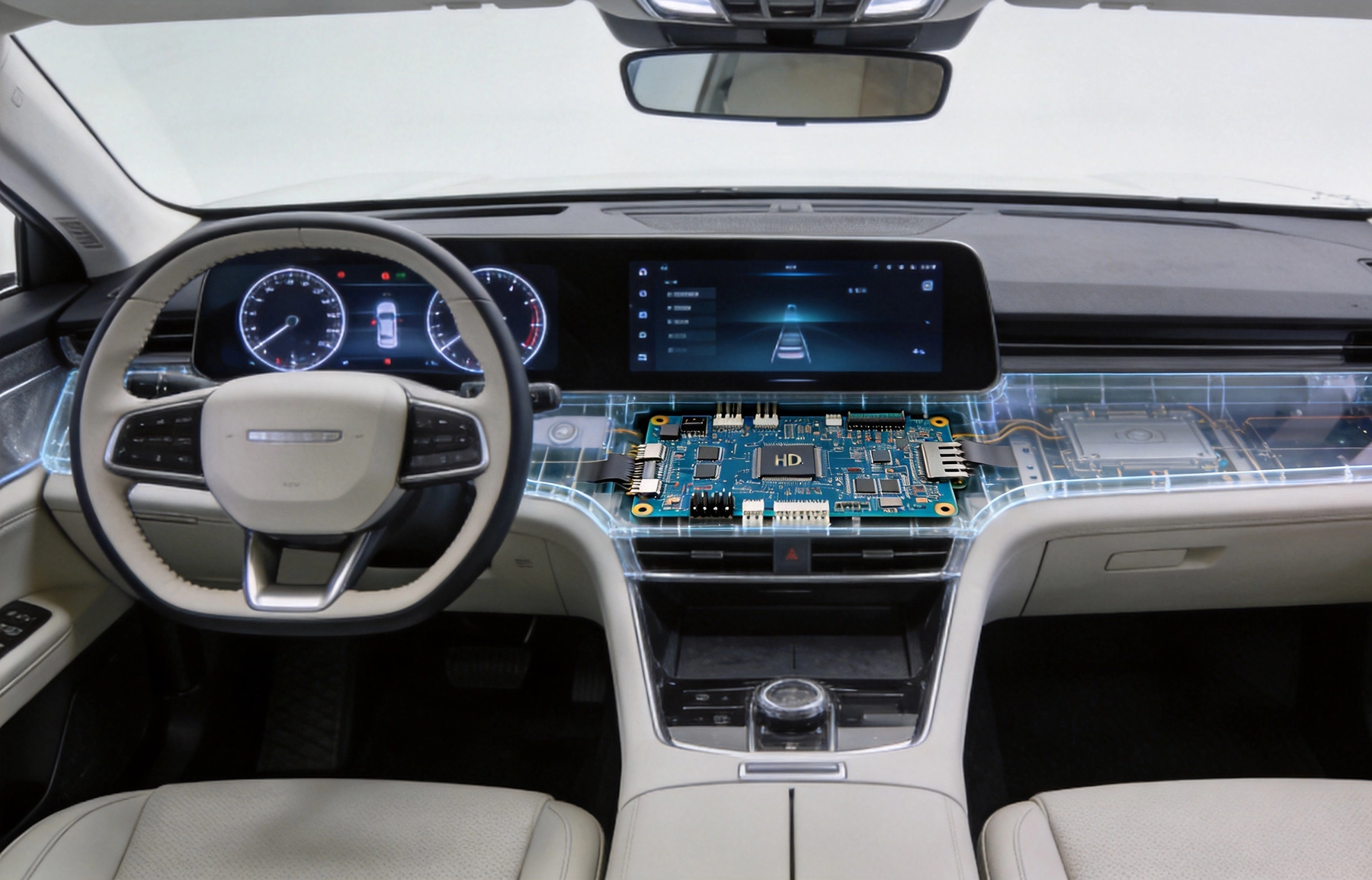
HDI Solutions for In-Vehicle Infotainment (IVI) and Clusters August/07/2026 Modern vehicles increasingly define their value through electronic experiences, with in-vehicle infotainment systems and digital instrument clusters becoming primary purchase decision factors. These sophisticated displays require PCB technologies that deliver high density, superior signal integrit...
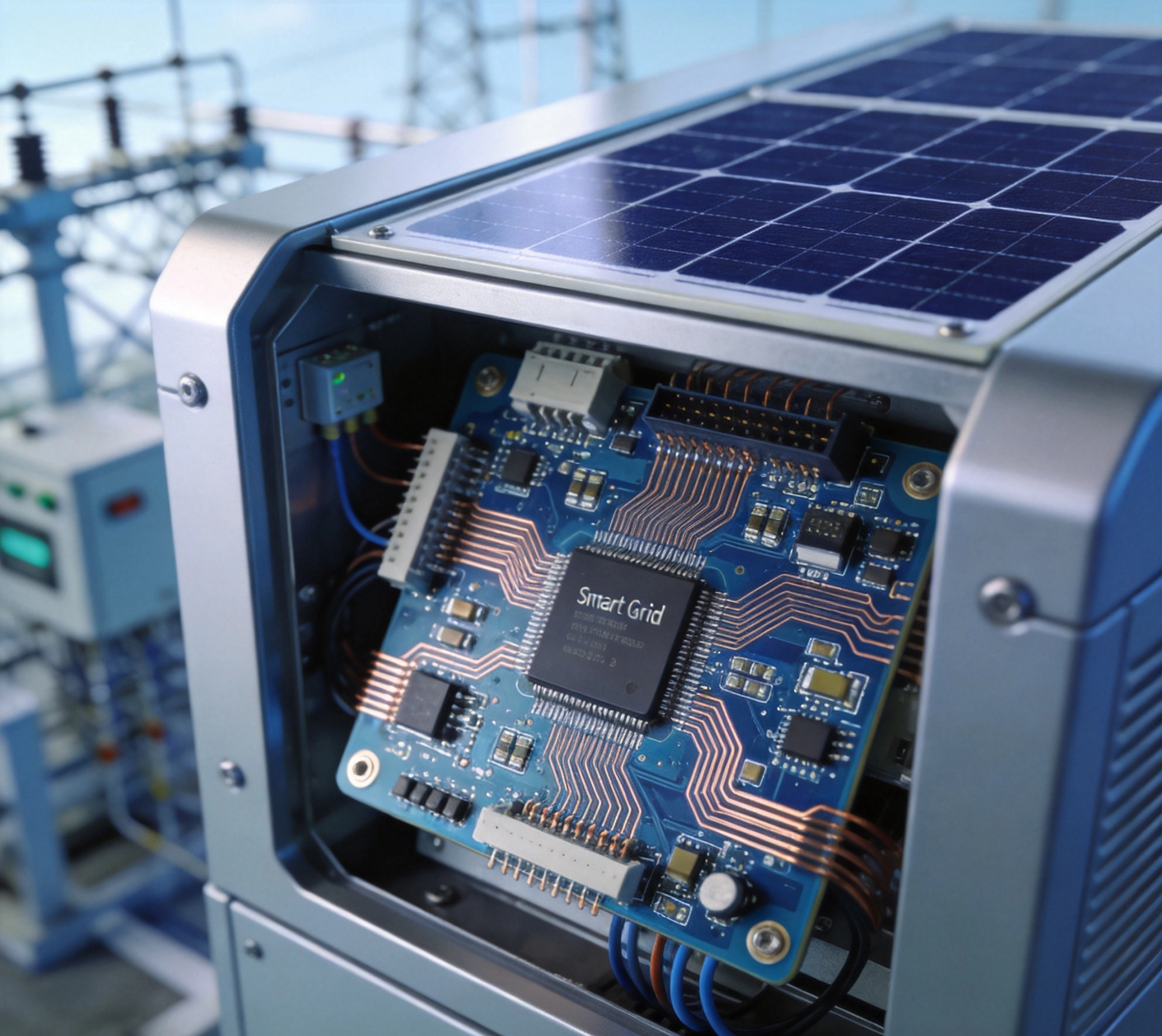
The Role of HDI in Smart Grid and Energy Storage Systems August/06/2026 The global transition toward renewable energy and intelligent power distribution creates unprecedented demands on electronic systems that manage, control, and optimize electricity flow. Smart grids and energy storage installations represent some of the most demanding applications for electronic re...
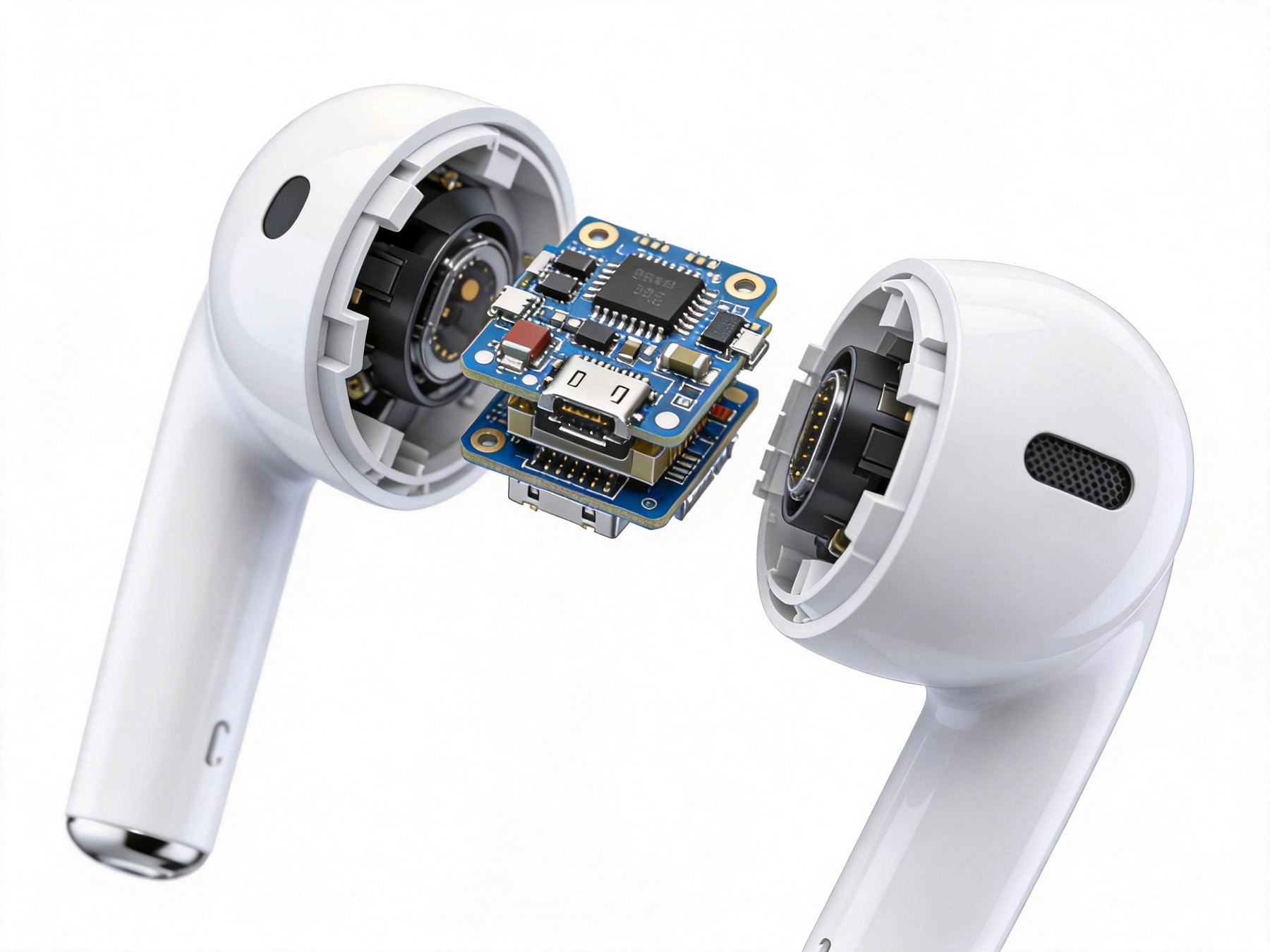
Enabling Compact Designs in True Wireless Stereo (TWS) Earbuds August/06/2026 The True Wireless Stereo earbud market has undergone a remarkable transformation in recent years. What began as relatively large devices with questionable comfort has evolved into sleek, pocket-sized powerhouses that fit virtually imperceptibly in the ear canal. This miniaturization wasn't acciden...
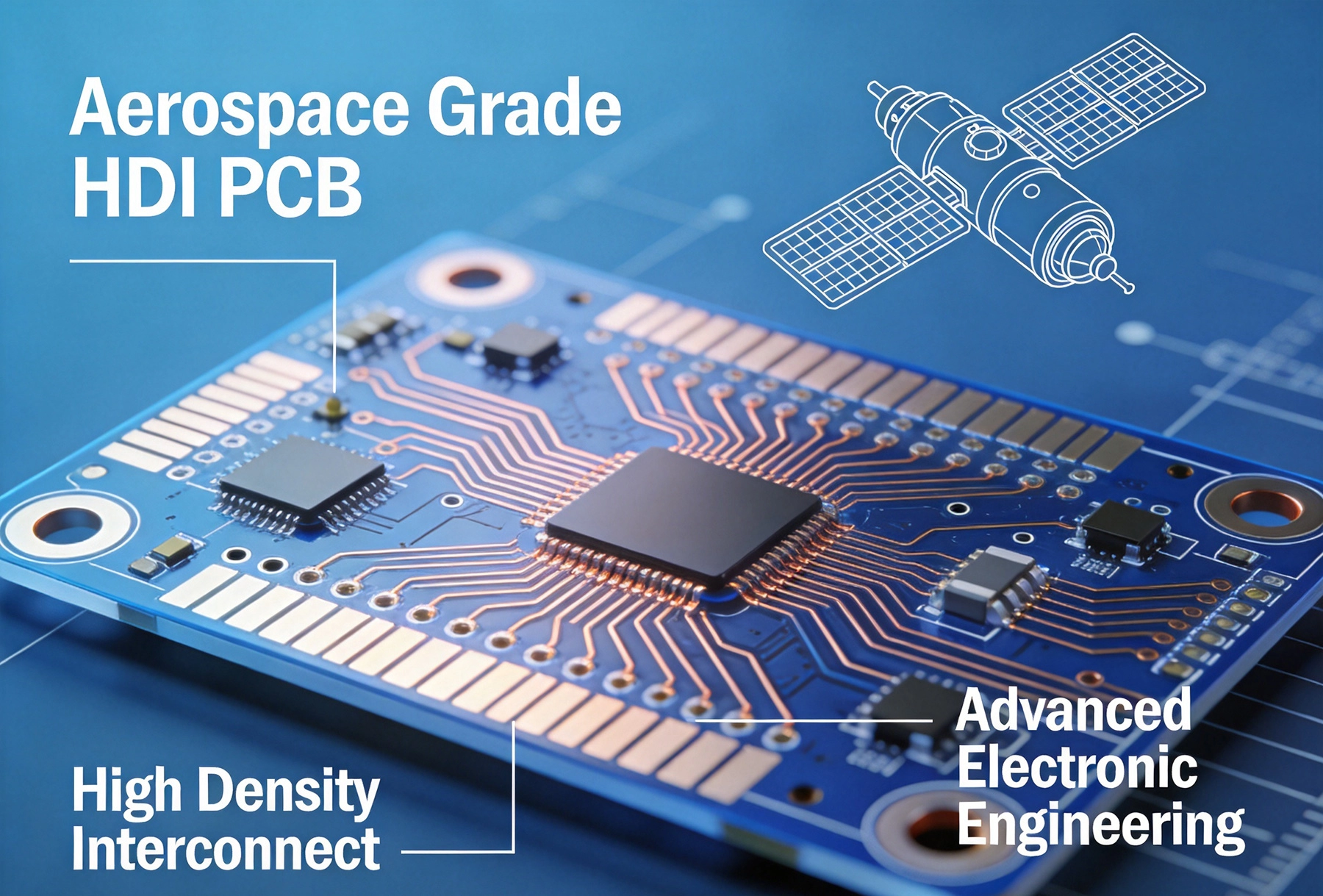
Designing HDI Boards to Withstand Extreme Aerospace Environments July/22/2026 High Density Interconnect (HDI) technology has revolutionized aerospace electronics by enabling unprecedented functionality within compact, lightweight form factors. As aerospace systems push toward greater performance, reduced weight, and increased reliability, HDI boards have become essential fo...
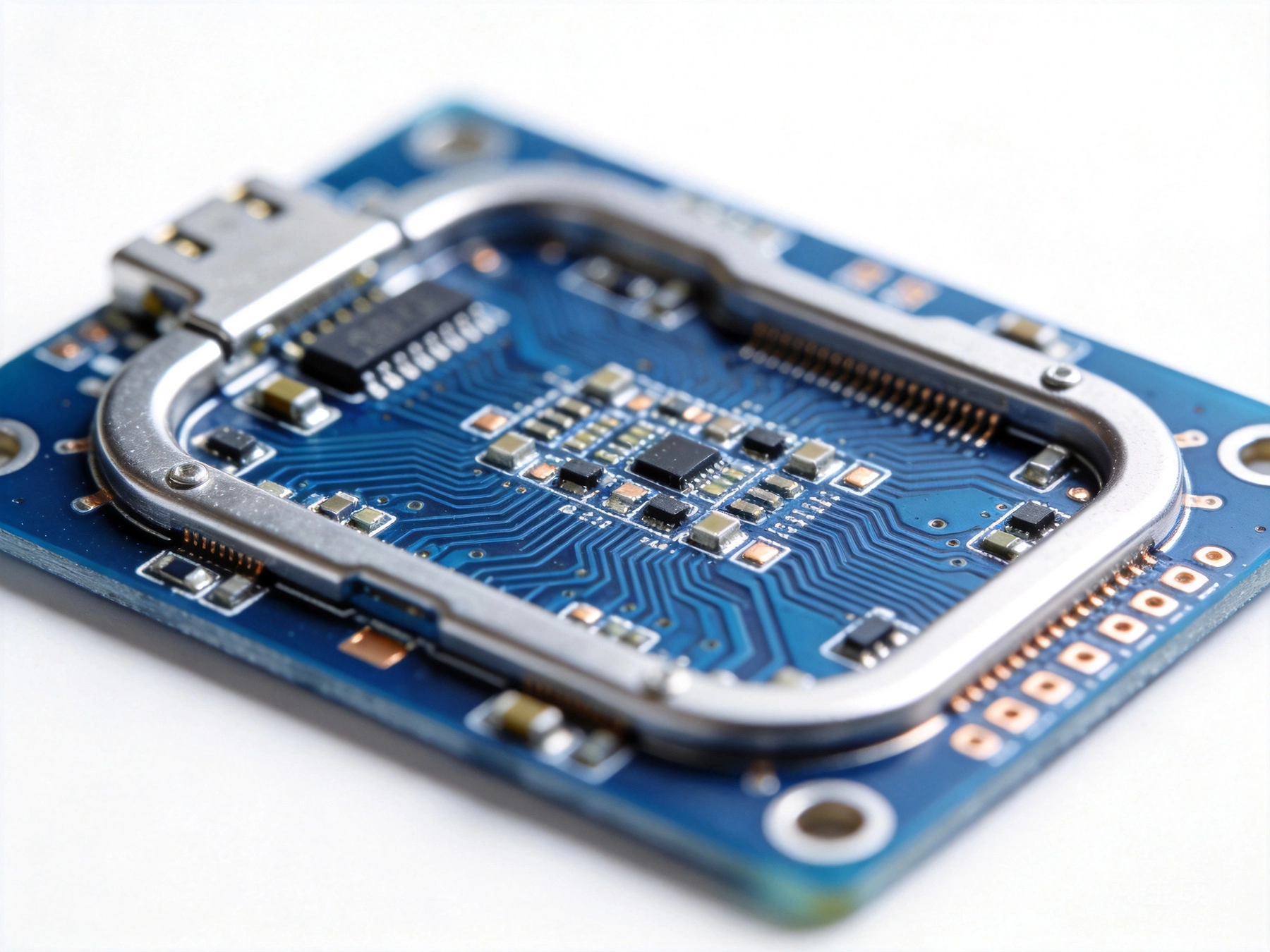
The Role of HDI PCBs in Miniaturized Implantable Medical Devices July/21/2026 Medical implantable devices have undergone a remarkable transformation. Early pacemakers were the size of hockey pucks, implanted in abdominal pockets. Modern cardiac devices are smaller than a coin, yet deliver more sophisticated therapy. Cochlear implants have shrunk from external processors to ...
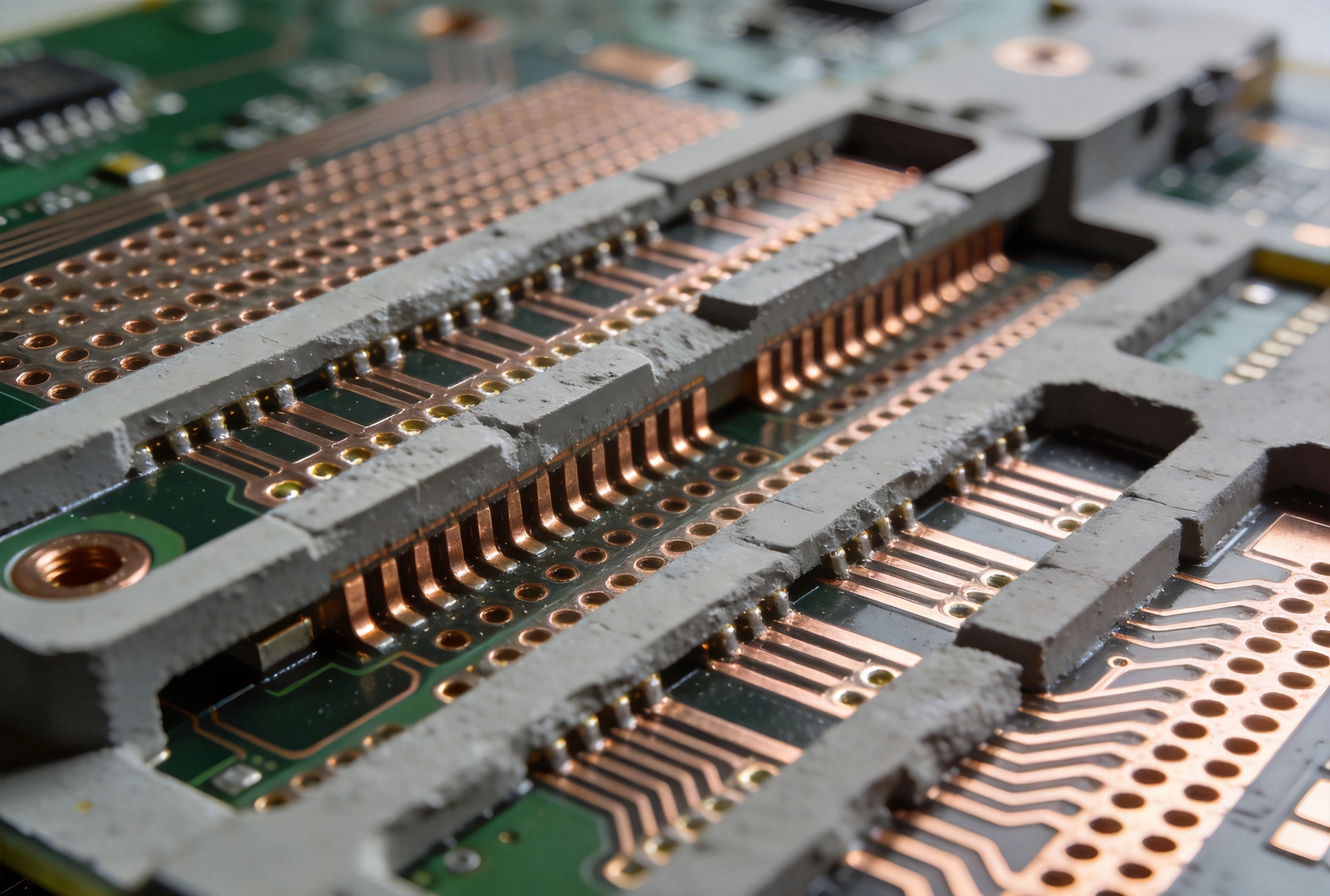
Designing Rugged HDI Boards for Harsh Industrial Environments July/20/2026 High Density Interconnect boards deliver remarkable functionality in compact packages—fine-pitch components, blind and buried vias, and dense routing that would be impossible in standard multilayer constructions. This capability comes with complexity that standard consumer designs can absorb but i...

The Role of HDI in High-Speed Server and Data Center Hardware July/18/2026 Modern data centers face unprecedented demands as cloud computing, artificial intelligence, and streaming services generate exponential growth in data traffic. The servers and networking equipment that power this digital infrastructure must deliver higher performance within the same or smaller phy...
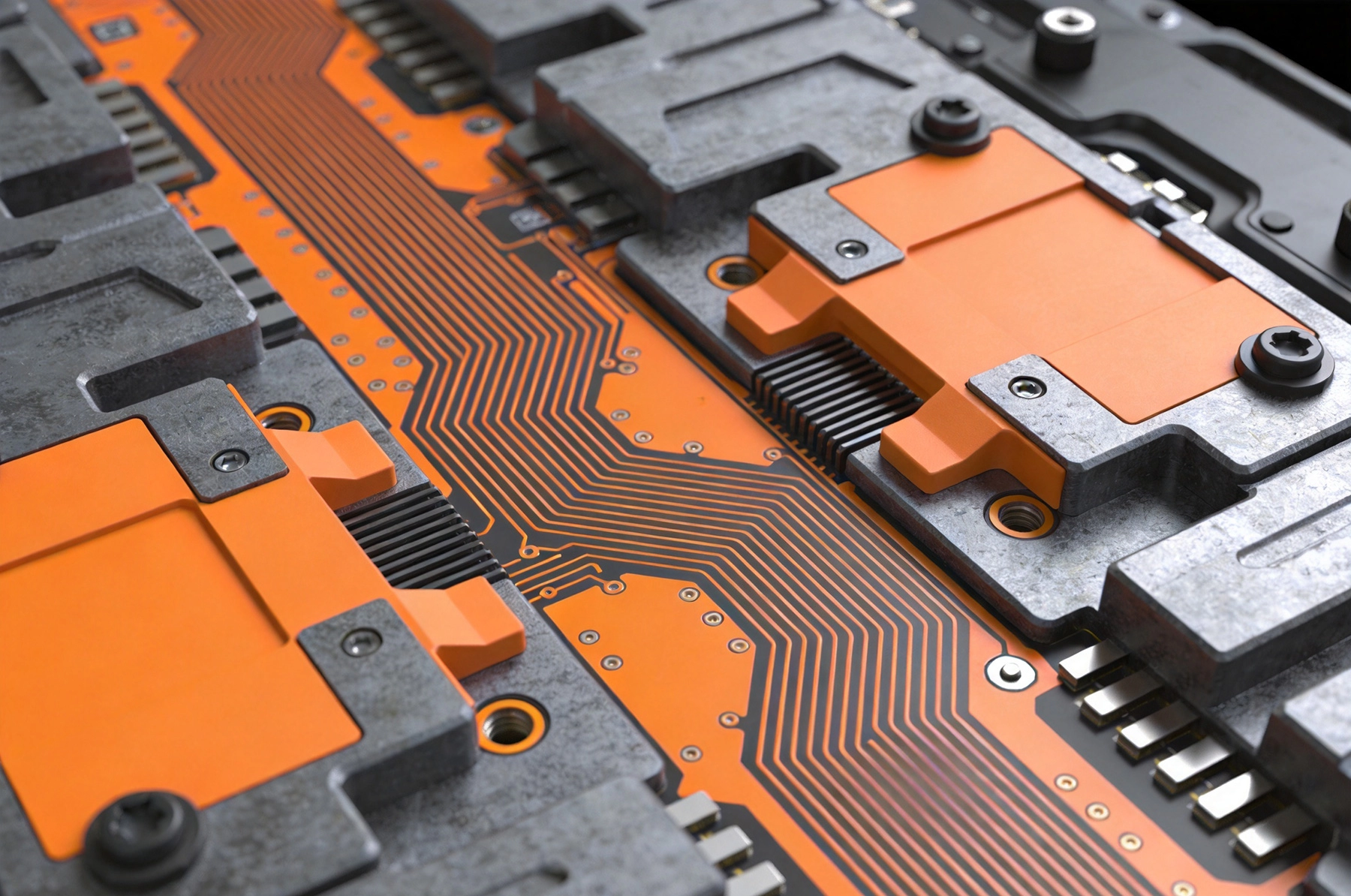
Designing Automotive HDI Boards for Vibration and Shock Resistance July/17/2026 Automotive electronics endure mechanical environments that would destroy most consumer PCBs. Vibration from engines and road surfaces, shock from impacts and braking, and thermal cycling from daily temperature swings create a uniquely demanding physical environment. High-density interconnect (HDI)...
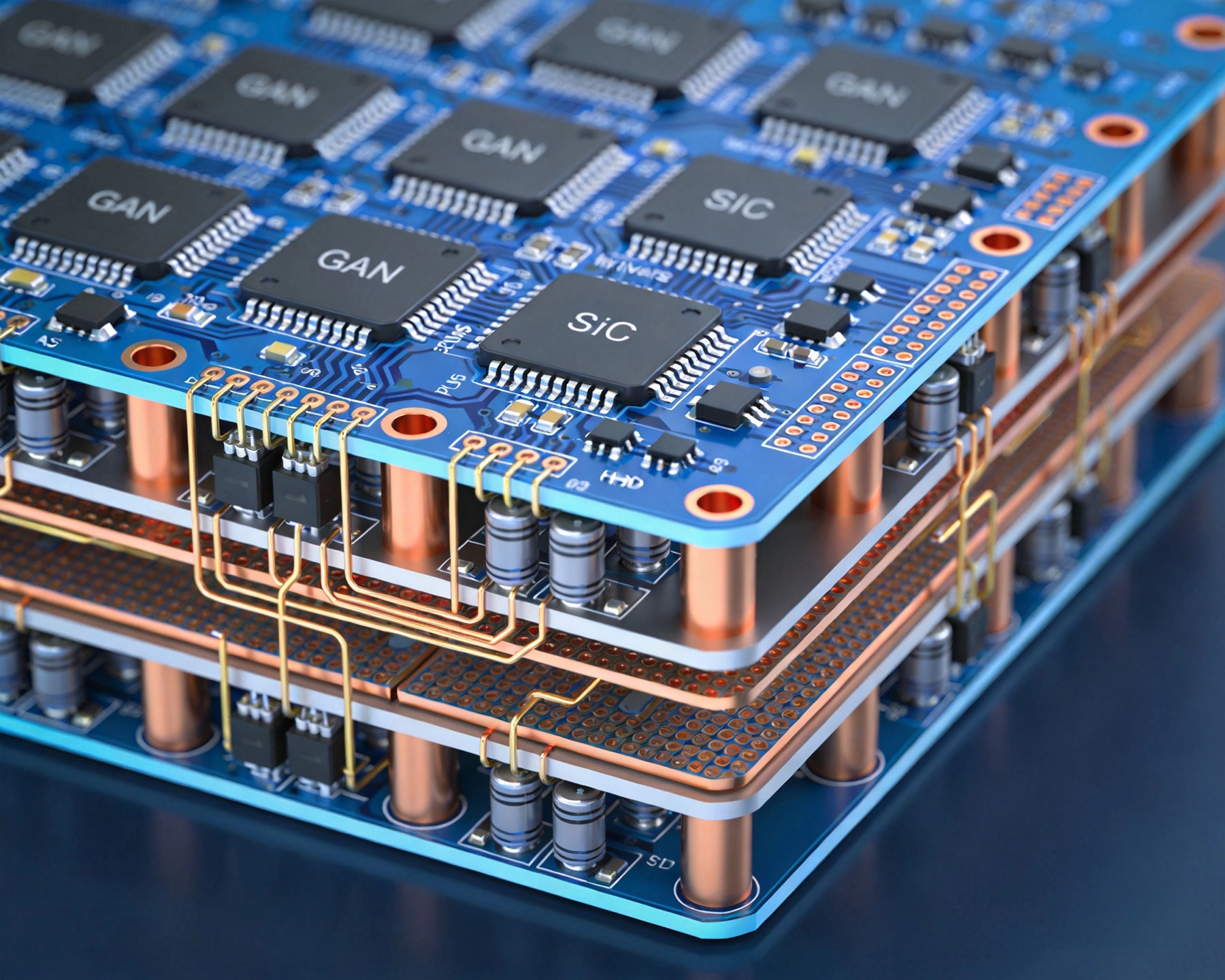
Challenges of Integrating HDI in High-Efficiency Power Inverters July/16/2026 Power inverter designers constantly chasing efficiency improvements increasingly turn to high-density interconnect technology to shrink footprints while pushing power density higher. The promise of HDI—micro vias, finer trace geometries, and buried capacitance—compels engineers to reconsider tradi...
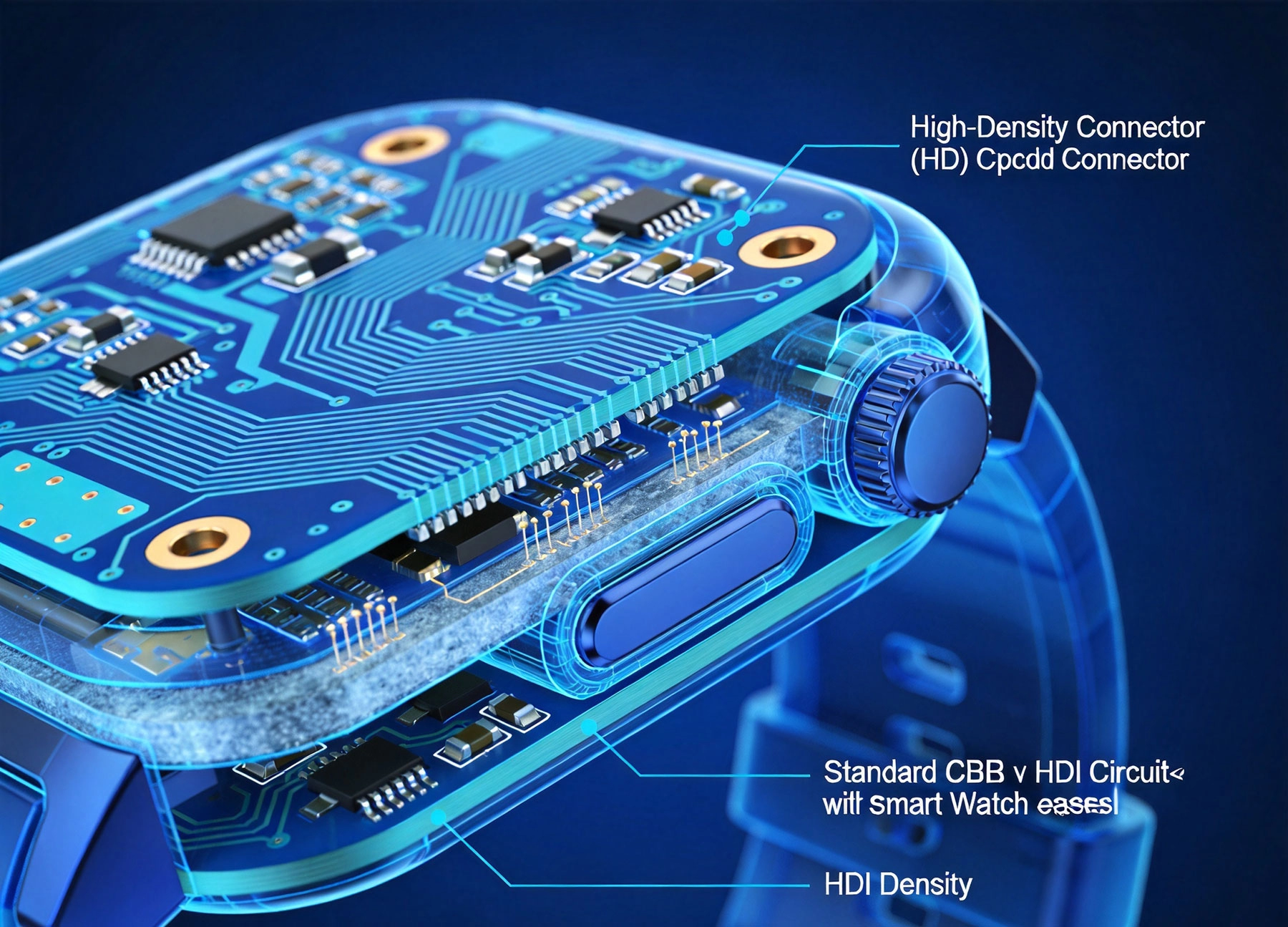
The Role of HDI Technology in Wearable Device Miniaturization July/15/2026 Every time someone straps on a smartwatch or pops in wireless earbuds, they're carrying miniature engineering marvels. These devices pack processing power that would have required a desktop computer a decade ago into form factors smaller than a matchbox. At the heart of this shrinking revolution s...