
The global transition toward Renewable Energy and intelligent power distribution creates unprecedented demands on electronic systems that manage, control, and optimize electricity flow. Smart grids and energy storage installations represent some of the most demanding applications for electronic reliability—systems that must operate flawlessly for decades in challenging environments while managing power flows measured in megawatts. Within these critical infrastructures, High-density Interconnect technology provides the electronic foundation that enables the sensing, communication, control, and protection functions that modern energy systems require.
Hdi Pcb technology has emerged as an enabling capability for the sophisticated electronics that smart grids demand. The density improvements, Signal Integrity advantages, and Miniaturization that HDI provides become essential when electronic systems must fit within space-constrained installations, communicate at high speeds across distributed networks, and maintain reliable operation under the thermal and electrical stresses that Power Electronics inevitably generate. Understanding how Hdi Technology serves these applications reveals why it has become indispensable for the energy infrastructure shaping our sustainable future.
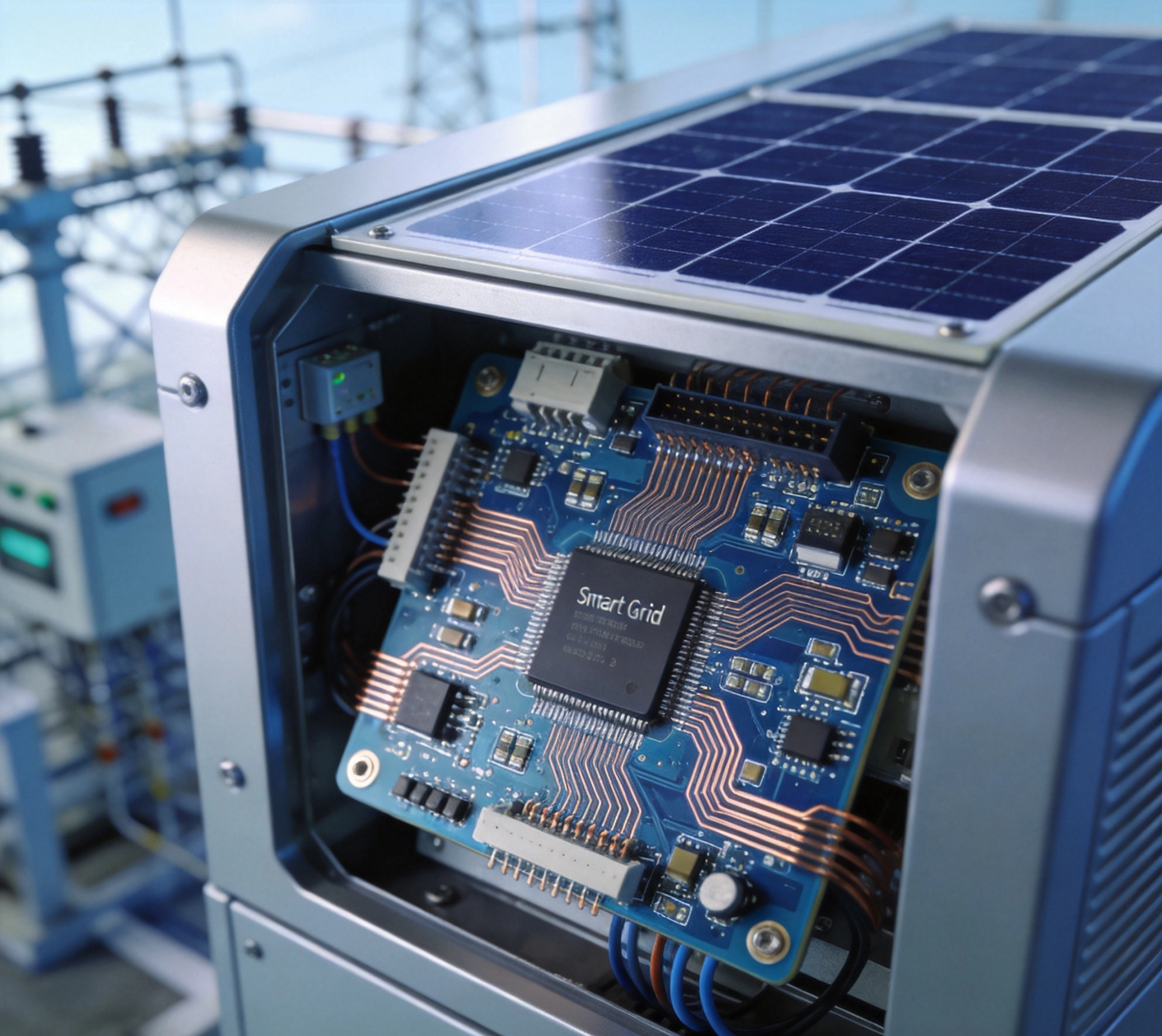
Smart grids represent a fundamental reimagining of electrical distribution networks. Traditional grids simply moved electricity from centralized generation to distributed consumption. Smart grids add intelligence at every level—monitoring power quality, optimizing distribution, integrating renewable sources, and responding to changing demand patterns in real time. This intelligence requires electronic systems of considerable sophistication distributed throughout the grid infrastructure.
Smart grid electronics appear at substations, distribution points, transformer locations, and ultimately at consumer premises. Each node requires computing and communication capabilities that interface with the high-voltage and high-current world of power distribution. The electronics must process sensor data, execute control algorithms, communicate with central systems, and respond to grid conditions within milliseconds when protection functions require rapid action.
This distributed intelligence creates packaging challenges that Hdi Technology helps address. Electronic systems at transformer installations must operate in elevated temperature environments, often within enclosures with limited volume. High-density integration enables more functionality in smaller volumes while improved Thermal Management paths allow heat to escape from densely packed electronics.
Smart grids require communication bandwidth and latency characteristics that challenge conventional electronic approaches. Grid protection systems must exchange data with extremely low latency to coordinate responses to fault conditions. Energy management systems must aggregate data from thousands of measurement points to optimize distribution in real time. These requirements drive adoption of high-speed communication protocols that benefit from the Signal Integrity advantages that HDI construction provides.
The PCB infrastructure supporting grid communication must maintain signal quality across the harsh electromagnetic environments that Power Electronics generate. HDI constructions with controlled impedance, proper grounding, and optimized layer stacking provide the signal integrity margins that reliable communication demands.
Energy storage systems—primarily battery installations at various scales—represent another critical application domain where HDI technology provides essential capabilities. From residential battery systems to grid-scale installations spanning acres, energy storage requires sophisticated battery management, power conversion, and grid interface electronics that push conventional PCB capabilities to their limits.
Battery management systems monitor and control individual cells within large battery packs, ensuring safe operation, maximizing useful capacity, and extending system lifetime. Contemporary battery installations may contain thousands of cells, each requiring monitoring and balancing. The electronics that perform these functions must process data from thousands of sensors, execute complex algorithms, and communicate status to higher-level control systems.
Bms Electronics benefit significantly from HDI integration. The high channel counts required for cell monitoring—often hundreds of voltage and temperature channels—demand PCB densities that conventional technologies cannot achieve economically. HDI enables compact sensor interface electronics that can be distributed throughout battery arrays, reducing wiring complexity while improving measurement accuracy through shorter signal paths.
Energy storage systems require power conversion electronics that interface batteries with AC grids or DC loads. These power converters—DC-DC converters, inverters, and rectifiers—operate at power levels from kilowatts to megawatts, generating thermal and electrical stresses that challenge electronic reliability. The control electronics that manage power conversion must operate reliably within these demanding conditions while maintaining precise control over power flow.
HDI PCBs support power electronics through improved Thermal Management pathways, reduced parasitic inductances in gate drive circuits, and better noise isolation between power and control functions. The dense integration that HDI enables allows control electronics to be mounted closer to power semiconductors, reducing gate drive loop inductance that affects switching performance and efficiency.
HDI technology provides several capabilities particularly valuable for the demanding requirements of smart grid and energy storage applications.
The fundamental density advantage of HDI enables more functionality within constrained volumes. Smart grid installations often retrofit electronics into existing infrastructure where space was never designed for sophisticated electronic systems. HDI allows maximum functionality within available enclosures, enabling upgrades and enhancements without costly infrastructure modification.
Energy storage systems benefit similarly from miniaturized electronics. Battery installations optimized for maximum energy density cannot afford large electronic enclosures. Compact BMS and power conversion electronics enabled by HDI claim minimal volume compared to the battery cells they manage, maximizing the ratio of storage capacity to total system volume.
The layer stacking and Impedance Control capabilities of HDI construction provide signal integrity advantages that become critical for high-speed communication and precision measurement. Smart grid protection systems rely on accurate current and voltage measurements that must be communicated rapidly across the grid. HDI constructions with controlled impedance and proper shielding protect measurement signals from the electromagnetic interference that power electronics generate.
The Microvia structures that define HDI technology reduce stub effects and improve signal path continuity compared to through-hole vias. For high-speed data acquisition systems that sample battery cell voltages at millisecond intervals, these signal integrity advantages translate directly to measurement accuracy that affects battery management algorithm performance.
Thermal management in high-density electronics requires attention to heat paths from components through the PCB to ambient environment. HDI constructions with Thermal Vias, metal core substrates, and optimized layer stacking provide thermal pathways that conventional PCB architectures cannot match. For power electronics where efficiency losses manifest as heat, these thermal advantages become essential for maintaining junction temperatures within reliable operating ranges.
Embedded Thermal Vias and metal coin attachments enable direct thermal coupling between heat-generating components and thermal planes or heatsinks. This capability allows Hdi Boards to manage thermal loads that would overwhelm conventional PCB constructions, enabling higher power densities in more compact form factors.
Energy grid infrastructure faces reliability requirements that exceed those of most other electronic applications. Grid failures create cascading consequences affecting millions of people and critical services. Energy storage systems must deliver power reliably when called upon, often during grid emergencies when reliability is most critical. Electronics serving these applications must demonstrate exceptional reliability over operational lifetimes measured in decades.
Grid electronics must operate in environmental conditions that consumer electronics rarely encounter. Temperature extremes ranging from arctic cold to desert heat, humidity variations from desert dryness to tropical moisture, vibration from nearby transformers or industrial equipment, and electromagnetic interference from high-voltage systems all stress electronic systems. HDI constructions with robust materials, careful thermal management, and proper shielding address these environmental challenges.
Material selection for HDI in harsh environments requires attention beyond standard commercial-grade specifications. High-Tg laminates resist thermal degradation. Polyimide materials tolerate elevated temperatures and provide radiation tolerance valuable for some installations. Careful selection of soldering materials, conformal coatings, and protective treatments ensures long-term reliability under environmental stress.
Grid infrastructure investments expect operational lifetimes of twenty to thirty years. Electronics installed today must continue functioning reliably as the grid evolves around them, with new communication protocols and software capabilities extending their useful life. HDI constructions designed for extended lifetime require attention to material degradation mechanisms, interconnection reliability, and component obsolescence planning.
Via reliability in HDI constructions warrants particular attention for long-lifetime applications. Stacked Microvias create stress concentration points that thermal cycling can weaken over time. Proper design practices—limiting stack height, using staggered rather than stacked configurations where possible, and accounting for thermal expansion mismatches—ensure that Hdi Reliability meets infrastructure expectations.
Grid-scale energy storage installations represent the most demanding applications for HDI in the energy sector. These installations—often housing megawatt-scale battery systems covering thousands of square feet—require extensive electronic infrastructure for battery management, power conversion, grid interconnection, and system monitoring.
Grid-scale battery installations may contain millions of individual cells. Managing these cells requires hierarchical BMS architectures where local controllers monitor clusters of cells, aggregating data to higher-level controllers that coordinate overall system operation. This hierarchical architecture drives demand for electronics at multiple density levels, from dense sensor electronics at the cell level to more distributed control electronics at higher levels.
HDI technology serves these applications across multiple tiers. Cell monitoring electronics—compact boards that interface with individual cells—benefit from HDI density to minimize footprint within battery enclosures. String controllers managing series-connected cell groups use HDI to integrate extensive communication, processing, and power management functions. System-level controllers coordinating entire installations rely on HDI for the high-speed processing and communication interfaces these systems require.
Grid-scale energy storage requires power electronics that convert between battery DC and grid AC, manage power flow during charging and discharging, and provide grid services such as frequency regulation and voltage support. These power electronic systems operate at power levels from hundreds of kilowatts to tens of megawatts, generating thermal and electrical stresses that challenge electronic reliability.
HDI constructions support power electronics through the thermal management and signal integrity advantages discussed earlier. Gate drive electronics for high-power semiconductors benefit from reduced parasitic inductances that improve switching performance. Control and protection electronics rely on Hdi Signal Integrity for reliable operation in the electromagnetic environments that high-power switching generates.
HDI technology adoption in energy applications requires attention to challenges that consumer electronics applications might overlook.
Hdi Manufacturing requires capabilities that not all PCB suppliers possess. The specialized equipment, process control expertise, and quality systems that HDI demands create a more limited supplier base compared to conventional PCB technologies. Energy infrastructure applications that require extended component availability and long-term supplier relationships face supply chain considerations that commercial electronics might not prioritize.
Supplier qualification for energy applications should extend beyond initial capability verification to include ongoing quality performance, process change notification, and long-term supply commitment. The consequences of electronic failures in grid infrastructure—affecting thousands of customers and potentially causing equipment damage—justify supplier relationships that commercial electronics might not require.
HDI designs for demanding applications require verification approaches that exceed standard commercial practices. Thermal testing under realistic operating conditions, long-term reliability testing that simulates decades of thermal cycling, and fault injection testing that verifies protection system responses all contribute to confidence that HDI electronics will perform reliably in grid applications.
Accelerated life testing protocols should reflect the specific failure mechanisms that HDI constructions exhibit. Via reliability testing, thermal cycling evaluation, and humidity exposure testing address failure modes particularly relevant to HDI technologies. These tests add development cost and time but provide the reliability confidence that energy applications demand.
The role of HDI in energy infrastructure will expand as grid modernization continues and energy storage deployments accelerate.
As energy storage installations grow in both size and number, pressure to maximize energy density within available land areas intensifies. This pressure drives demand for more compact power electronics and battery management systems, increasing reliance on HDI capabilities that enable Miniaturization without sacrificing reliability.
Power electronics development continues pushing switching frequencies higher, reducing the size of magnetic components and filter elements. These higher switching frequencies demand PCB constructions with superior signal integrity and thermal management—capabilities where HDI construction provides advantages that conventional technologies cannot match.
Emerging battery chemistries—including solid-state batteries and advanced lithium variants—will impose new requirements on electronics that HDI technology must address. Higher cell voltages, more sensitive chemistry management requirements, and different form factors all drive demand for electronics innovation that HDI can enable.
Solid-state batteries, in particular, may require more sophisticated battery management due to their sensitivity to operating conditions. The measurement精度 and response speed that these batteries demand will challenge conventional BMS architectures, potentially requiring electronics with capabilities that only HDI integration can provide.
High-density Interconnect technology has become indispensable for the electronic systems that enable modern smart grids and energy storage installations. The density advantages, signal integrity improvements, and thermal management capabilities that HDI provides address the demanding requirements that energy infrastructure applications impose. From distributed grid intelligence to grid-scale battery management, HDI technology enables the sophisticated electronics that manage power flows, ensure system reliability, and optimize energy use across increasingly complex energy networks.
The reliability requirements that energy infrastructure demands require HDI implementations optimized for long lifetime operation in challenging environments. Material selection, via design practices, and manufacturing Quality Control all require attention beyond standard commercial practices. The additional investment that robust HDI design demands pays dividends through the decades-long operational lifetimes that grid infrastructure expects.
As Renewable Energy deployment accelerates and grid modernization continues, the role of HDI in energy applications will only expand. The combination of increasing power density requirements, more sophisticated battery technologies, and continuing grid intelligence deployment creates demand for electronic capabilities that HDI technology uniquely provides. Manufacturers and designers serving these markets will increasingly rely on HDI expertise as a core competency enabling their contributions to sustainable energy infrastructure.
HDI technology enables the density, signal integrity, and thermal management that smart grid electronics require. Grid protection and control systems need to process data rapidly and communicate with extremely low latency. HDI constructions with controlled impedance and proper shielding protect signals from electromagnetic interference that power electronics generate. The miniaturization that HDI enables also helps retrofit sophisticated electronics into space-constrained grid installations.
Battery management systems benefit from HDI density to accommodate high channel counts for cell monitoring, improved signal integrity for accurate voltage measurements, and thermal management capabilities for electronics operating near battery cells. The Compact Electronics that HDI enables can be distributed throughout battery arrays, reducing wiring complexity and improving measurement accuracy through shorter signal paths.
HDI constructions reduce parasitic inductances in gate drive circuits for power semiconductors, improving switching performance and efficiency. Improved thermal management pathways enable lower operating temperatures for control electronics. Better noise isolation between power and control functions prevents electromagnetic interference from affecting control system operation. These advantages collectively improve the reliability of power electronic systems.
HDI in grid infrastructure must address material selection for extended temperature range operation, via reliability under long-term thermal cycling, and supplier qualification for multi-decade component availability. Designs should minimize stacked via height, use staggered rather than stacked configurations where possible, and select materials with proven long-term stability. Testing should include accelerated life testing that reflects actual failure mechanisms.
Future energy storage systems will demand higher power densities, more sophisticated battery management for emerging chemistries like solid-state batteries, and continued miniaturization to maximize storage capacity in available space. These requirements will increase reliance on HDI capabilities, particularly advanced HDI constructions with embedded components, improved thermal management, and the high channel counts that detailed battery monitoring demands.
Challenges of Integrating HDI in High-Efficiency Power InvertersJuly/16/2026
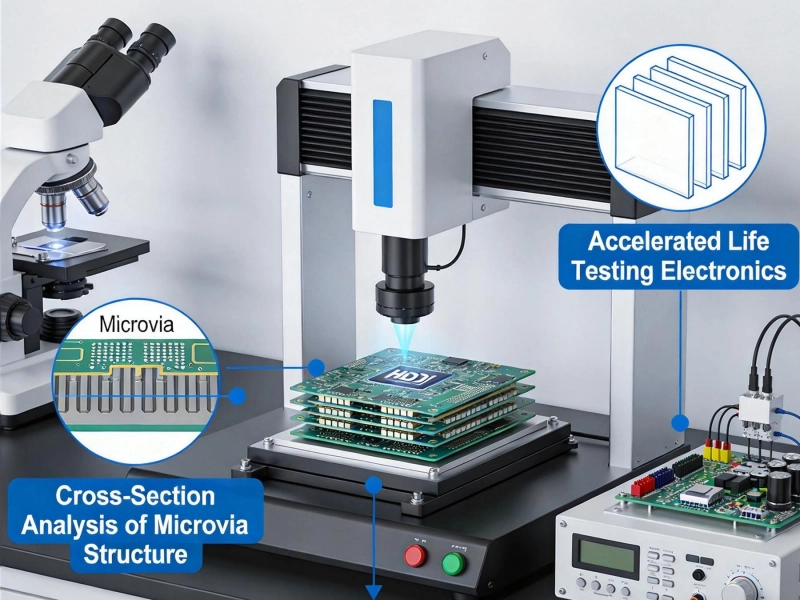
Key Factors Influencing the Long-Term Reliability of HDI PCBsMay/28/2026
How HDI PCBs Power the Next Generation of SmartphonesJune/17/2026
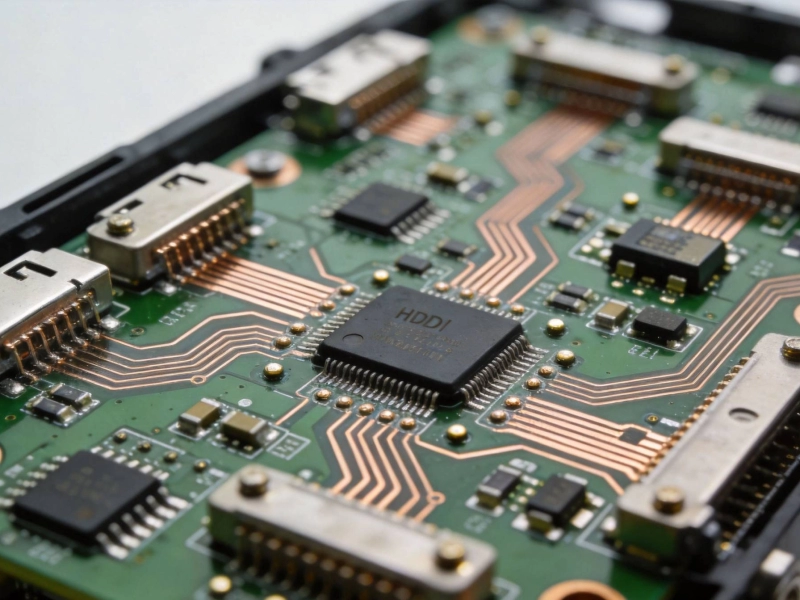
HDI Applications in Advanced Battery Management Systems (BMS)June/18/2026
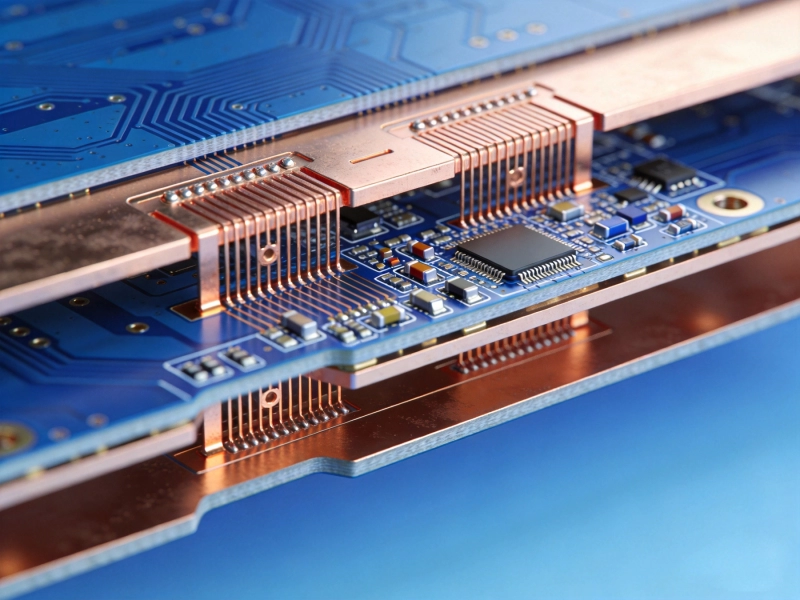
How HDI Technology Enables the Miniaturization of Modern ElectronicsSeptember/20/2026
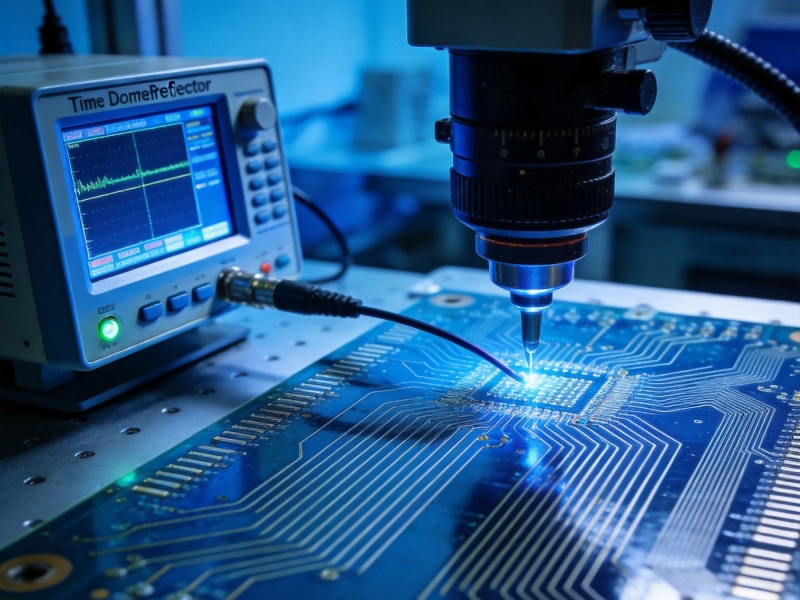
How to Measure and Control Impedance Tolerance in HDI BoardsAugust/03/2026
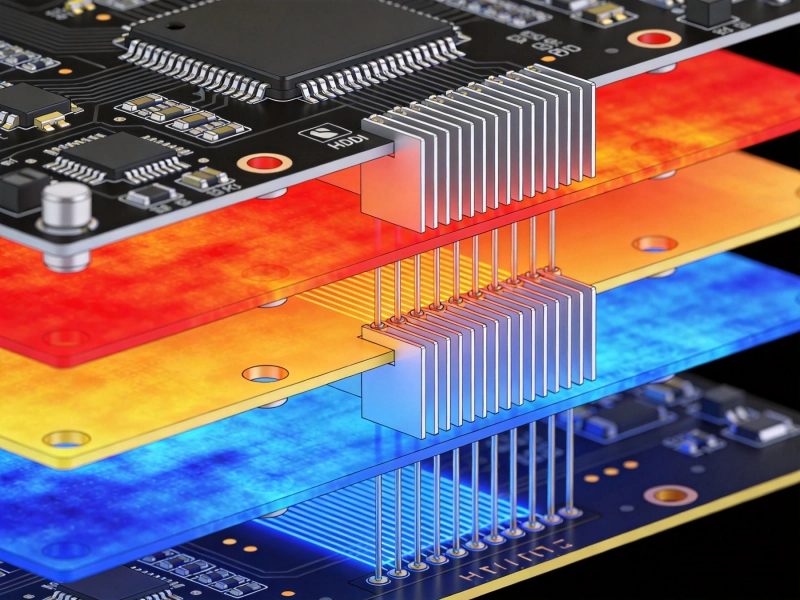
Effective Thermal Management Strategies for High-Density PCBsMay/28/2026
The Importance of Electrical Testing for Microvia ReliabilityJuly/09/2026