
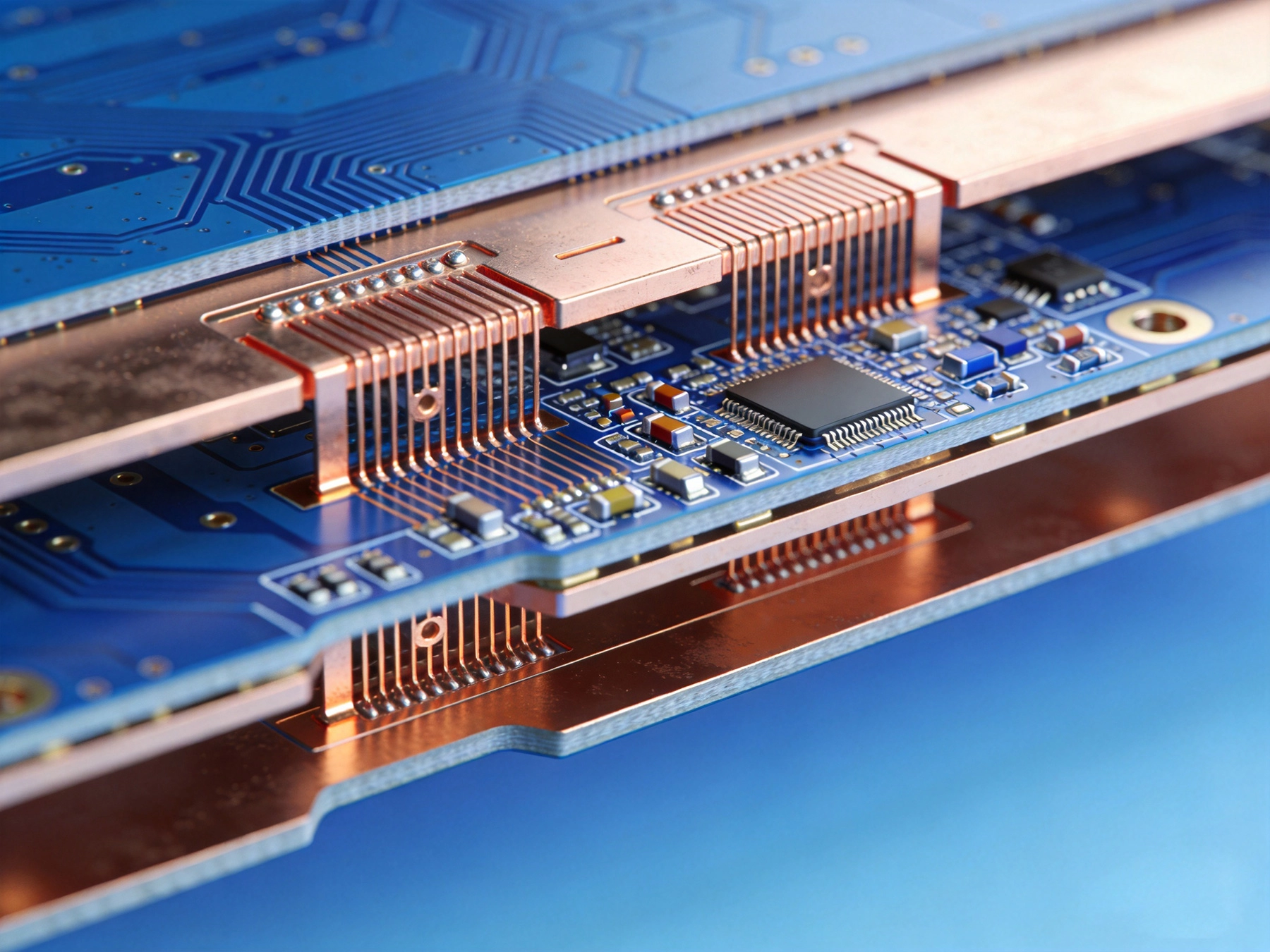
How HDI Technology Enables the Miniaturization of Modern Electronics September/20/2026 Open any smartphone, peel back the EMI shield, and look at the main PCB. What you see is a board roughly the size of a credit card carrying an application processor with 2,000+ solder balls on 0.35 mm pitch, 8–16 GB of LPDDR memory in a package-on-package stack, a mmWave antenna module, hundreds o...
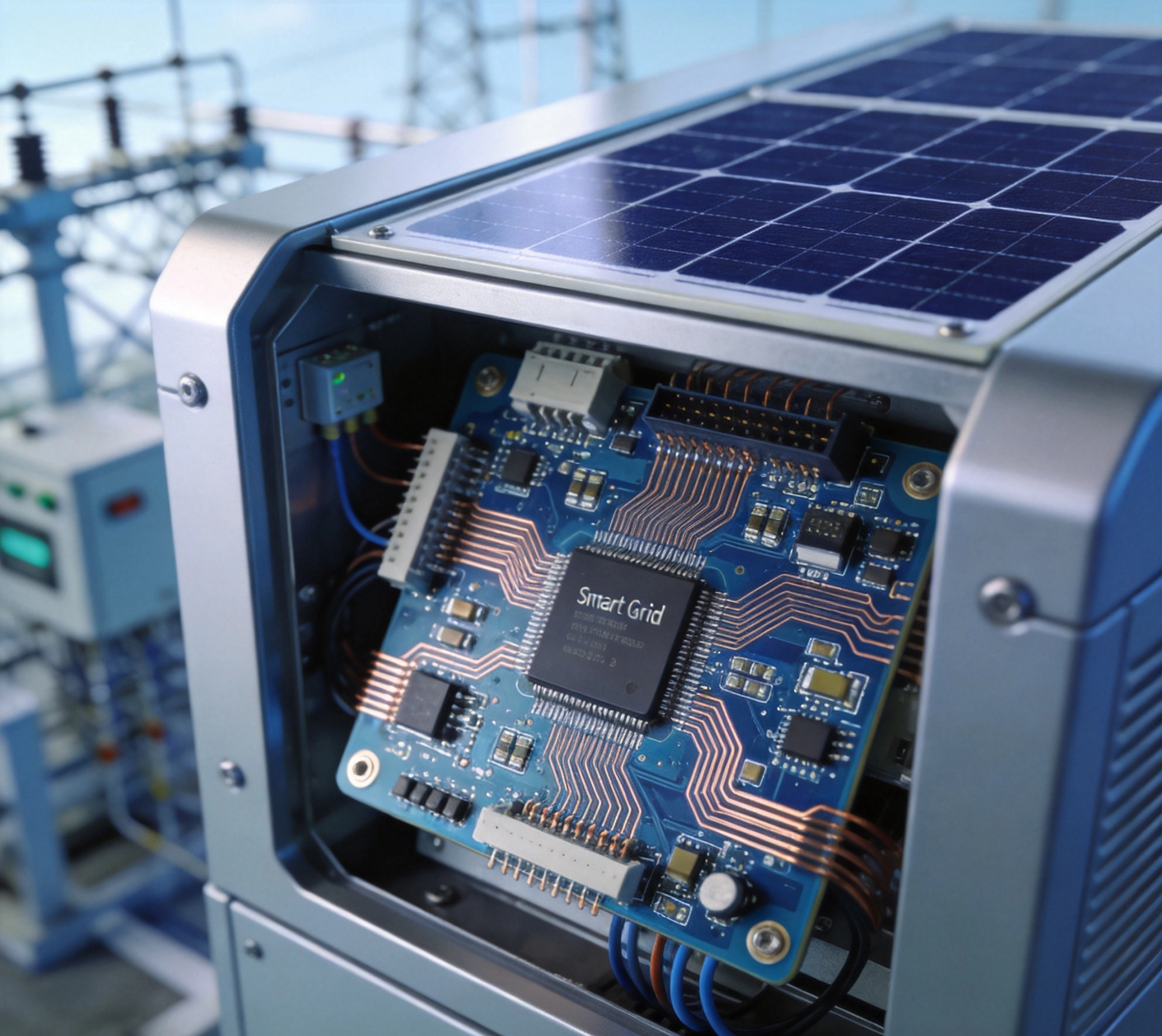
The Role of HDI in Smart Grid and Energy Storage Systems August/06/2026 The global transition toward renewable energy and intelligent power distribution creates unprecedented demands on electronic systems that manage, control, and optimize electricity flow. Smart grids and energy storage installations represent some of the most demanding applications for electronic re...
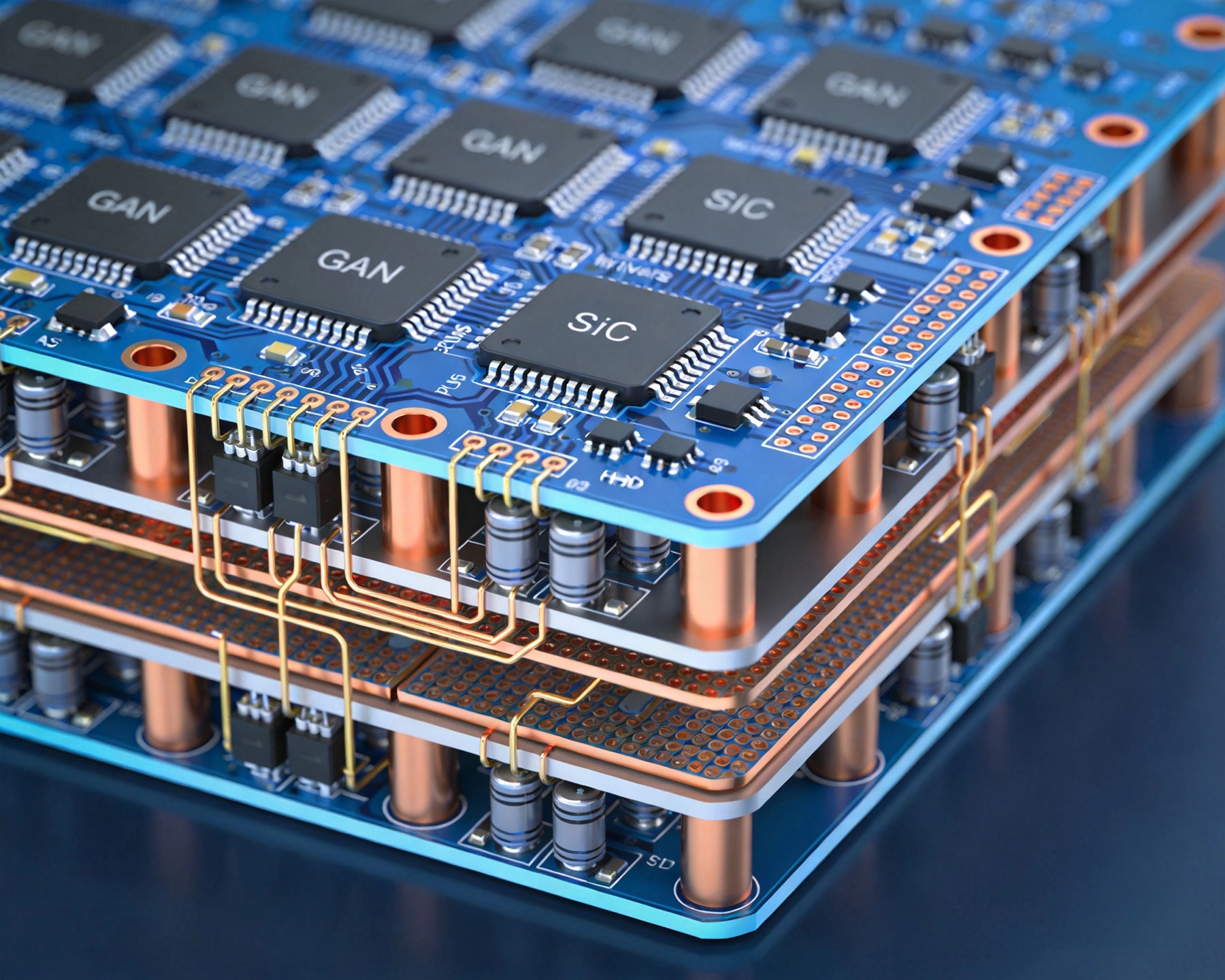
Challenges of Integrating HDI in High-Efficiency Power Inverters July/16/2026 Power inverter designers constantly chasing efficiency improvements increasingly turn to high-density interconnect technology to shrink footprints while pushing power density higher. The promise of HDI—micro vias, finer trace geometries, and buried capacitance—compels engineers to reconsider tradi...
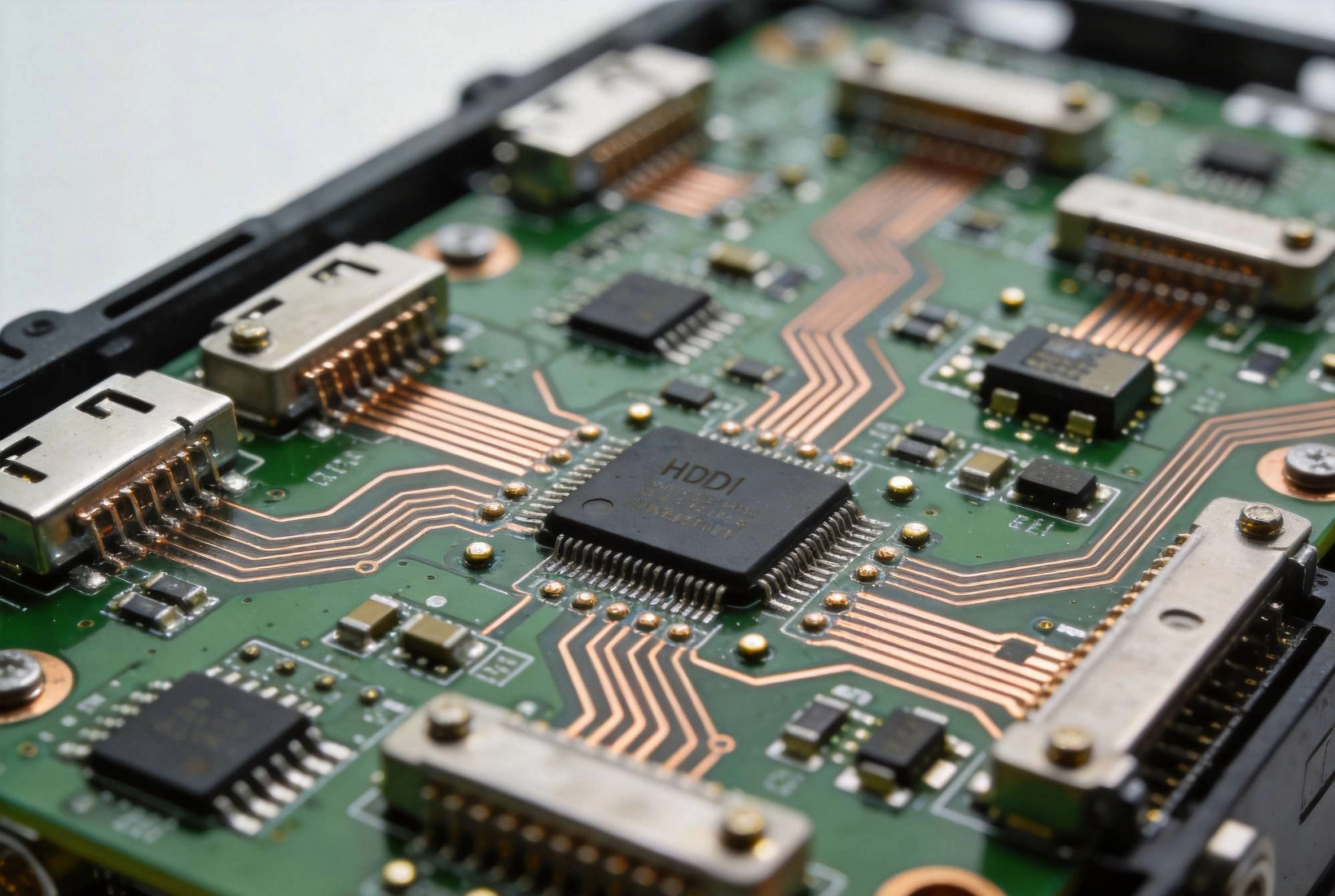
HDI Applications in Advanced Battery Management Systems (BMS) June/18/2026 The battery management system sits at the heart of every electric vehicle and grid energy storage installation. As these markets accelerate globally, the electronics driving battery safety, efficiency, and longevity face unprecedented demands. HDI PCB technology has emerged as the enabling foundat...
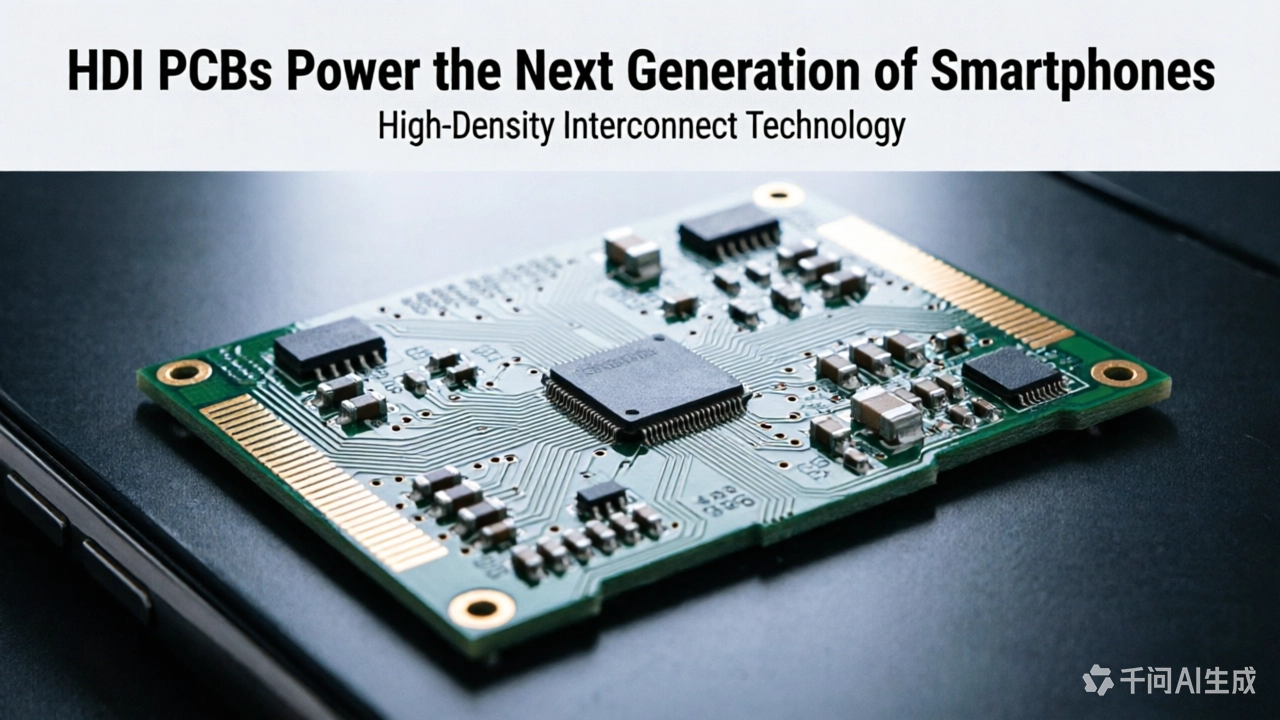
How HDI PCBs Power the Next Generation of Smartphones June/17/2026 The smartphone in your pocket is a marvel of miniaturization. Within its slim profile, dozens of chips, thousands of components, and miles of copper traces work together to deliver computing power that would have seemed like science fiction just two decades ago. At the heart of this technological ...
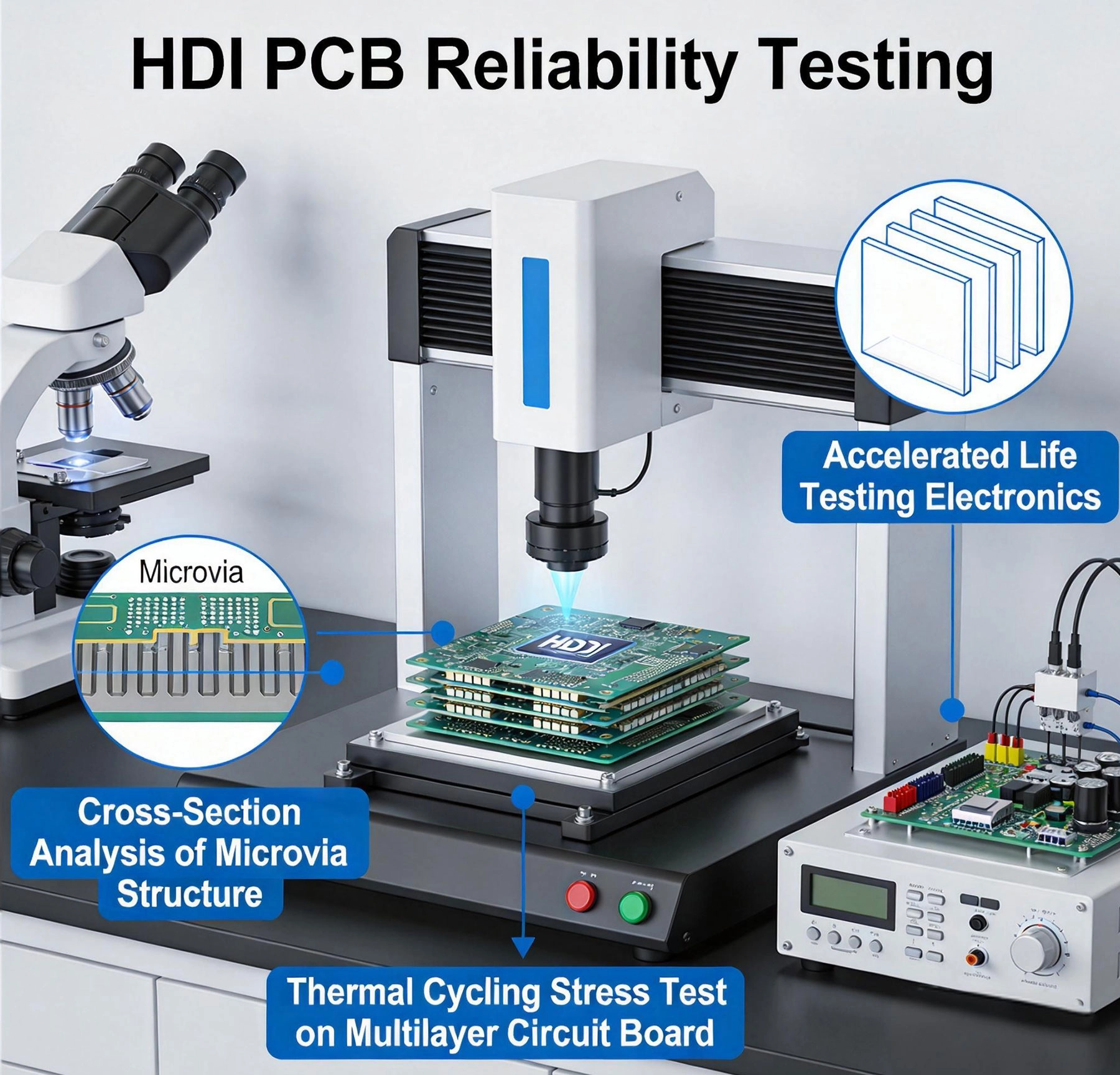
Key Factors Influencing the Long-Term Reliability of HDI PCBs May/28/2026 Every electronic product carries an implicit promise: it will work reliably for its intended service life. For a smartphone, that might mean 3-5 years of daily use. For an automotive electronic control unit, it's 15+ years and 150,000 miles of operation. For industrial equipment in factory automat...