
To combat thermal buildup, designers utilize high Thermal Conductivity materials, such as ceramic-filled laminates, which efficiently draw heat away from hotspots. A core technique involves deploying dense arrays of copper-filled Thermal Vias directly beneath high-power components, creating vertical channels that transfer heat to internal ground planes or outer layers. For extreme applications like AI servers, manufacturers may embed metal cores or copper coins within the board stack-up. By integrating these sophisticated cooling solutions, a High Density Interconnect PCB can effectively dissipate heat, ensuring stable operation even in the most demanding high-power electronic environments.
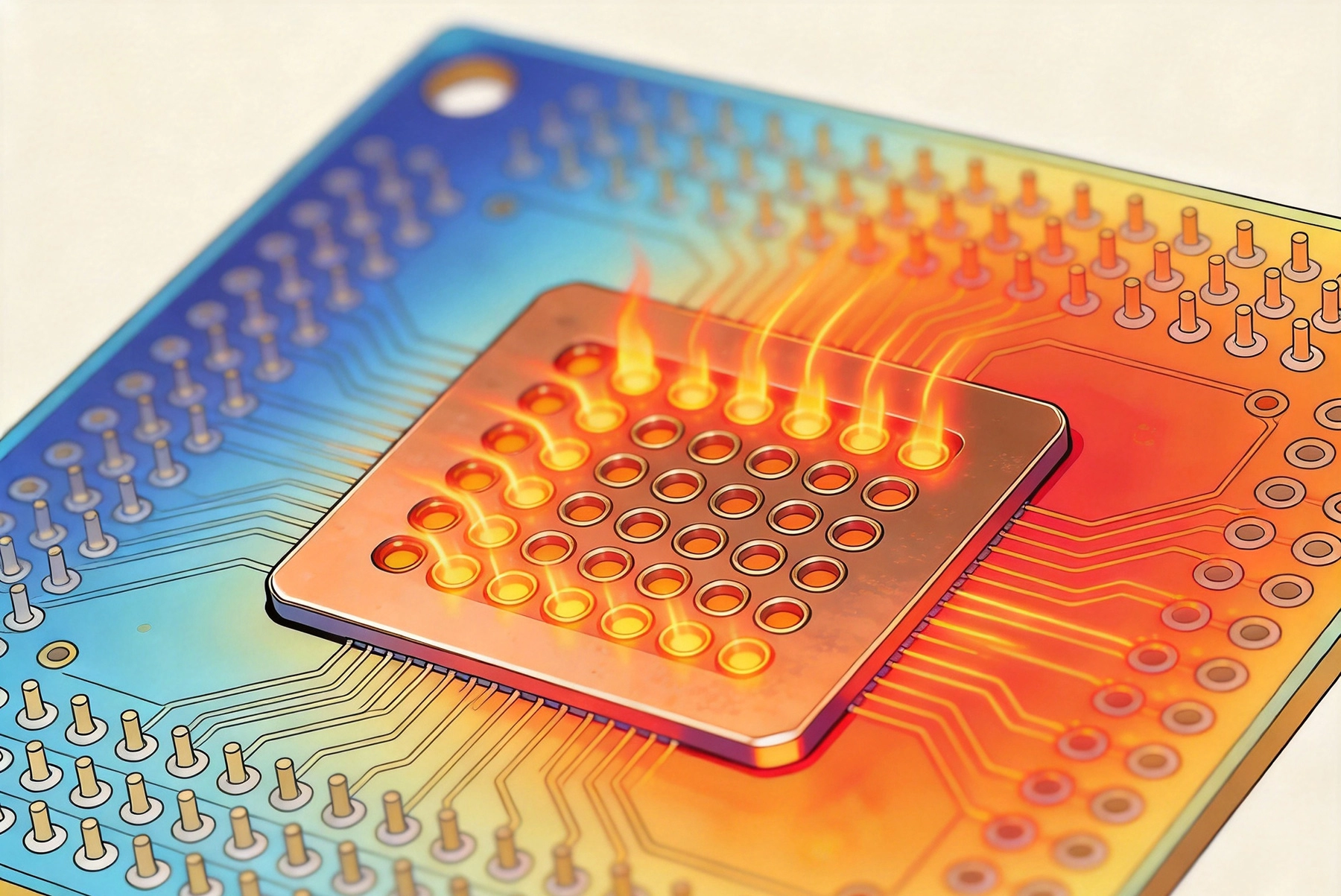
The Impact of Via-in-Pad on Thermal Performance and Reliability September/26/2026 Via-in-pad — placing a via directly within a component land pad rather than beside it — is one of the most consequential design decisions in modern PCB layout. It affects thermal performance, solder joint integrity, manufacturing cost, and long-term reliability in ways that are not always obvious ...
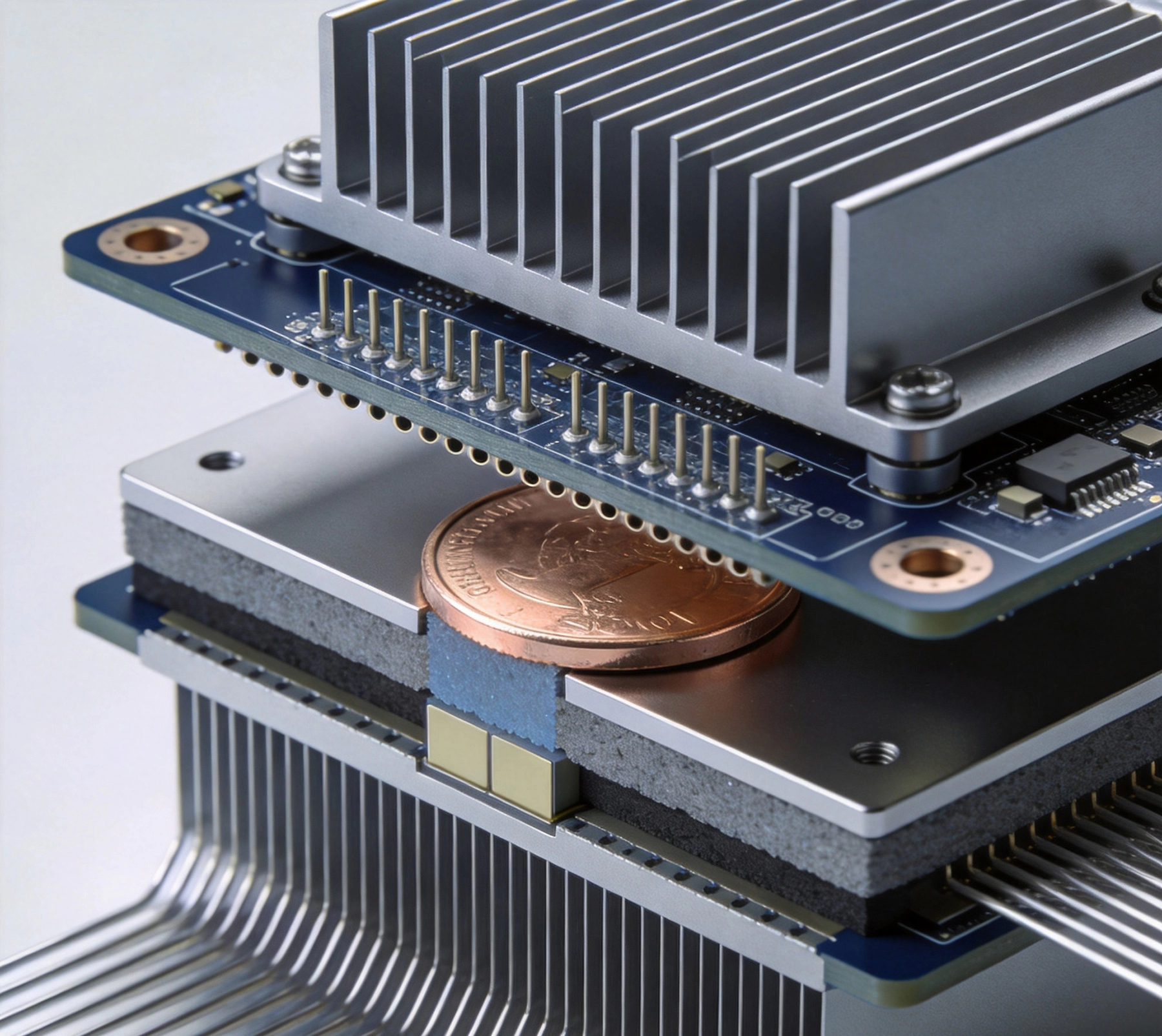
Thermal Management Strategies for HDI Power Modules September/11/2026 Power electronics and high density interconnect (HDI) PCB technologies are increasingly combined in modern electronic systems. Server power supplies, electric vehicle chargers, industrial motor drives, and RF power amplifiers all place demanding thermal requirements on compact HDI boards. The chal...
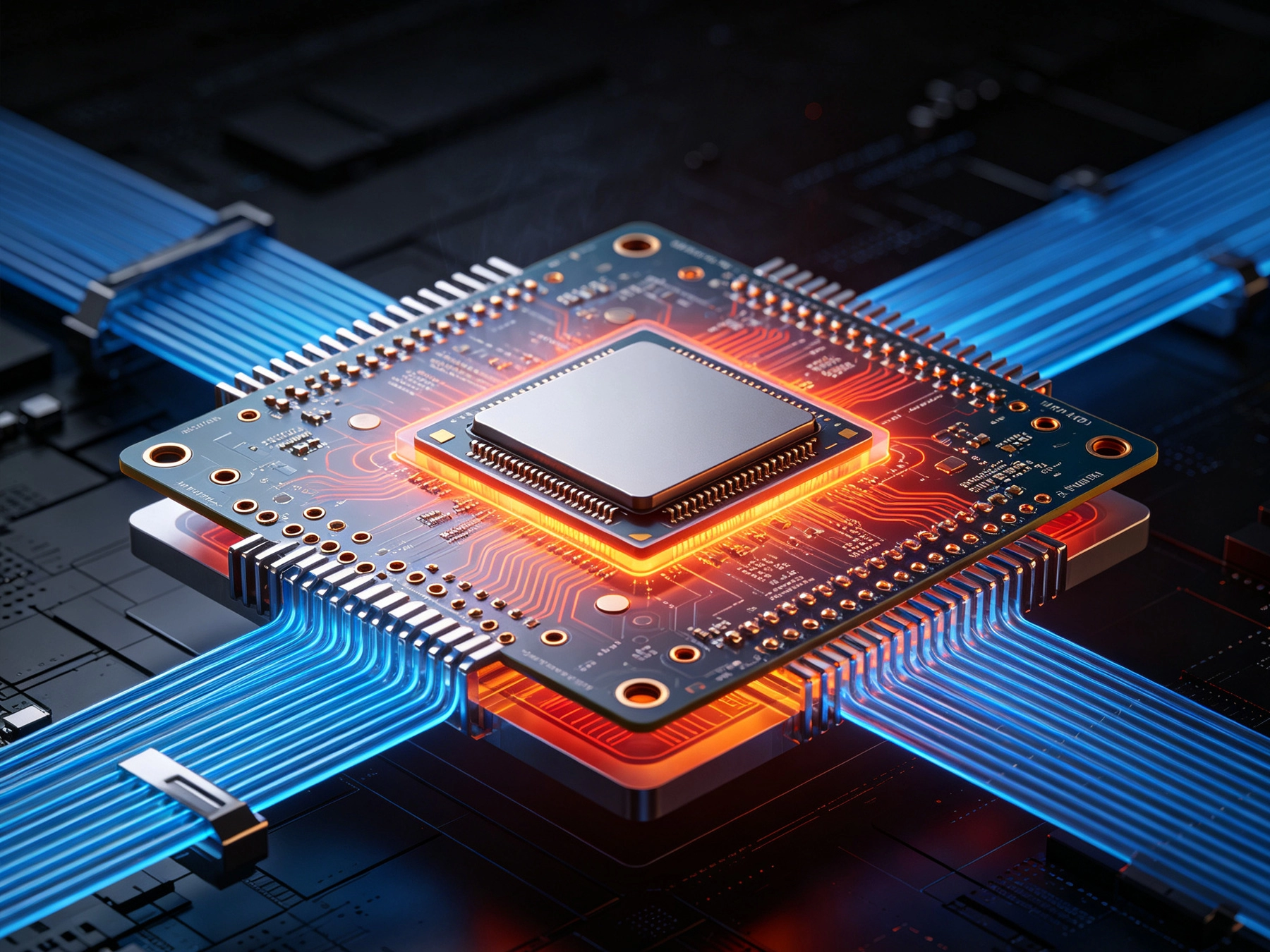
Managing Heat in High-Power HDI Applications: A Practical Guide September/03/2026 High-density interconnect (HDI) technology has revolutionized electronics by enabling miniaturization while maintaining or increasing functionality. However, as power densities increase and board real estate shrinks, thermal management becomes one of the most critical challenges facing designers o...
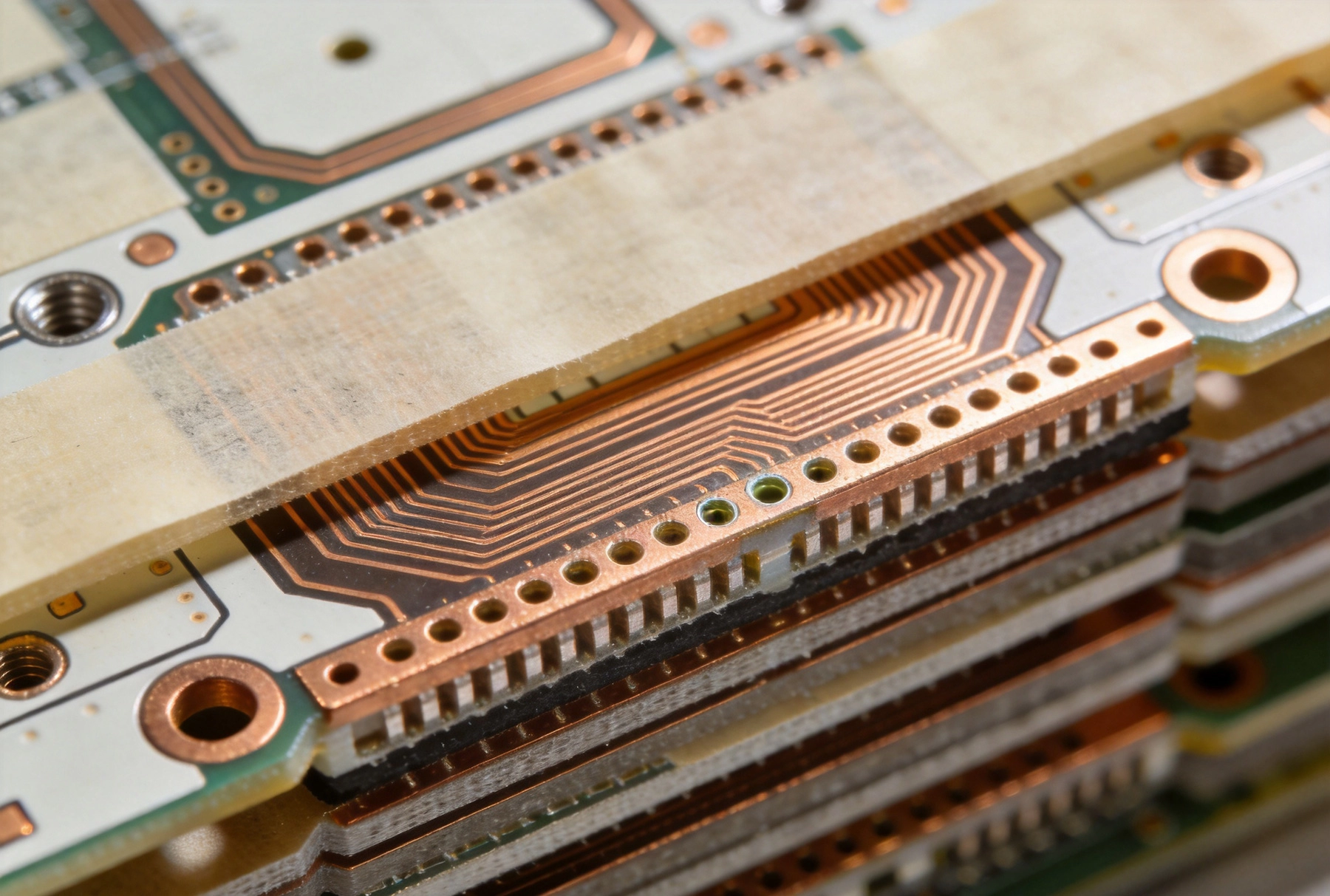
Exploring the 6 Types of HDI Structures: From Type I to Any-Layer August/14/2026 As electronic devices continue to shrink in size while increasing in functionality, the demand for High Density Interconnect (HDI) technology has never been greater. HDI PCBs represent the cutting edge of circuit board technology, enabling designers to pack more functionality into smaller spaces w...
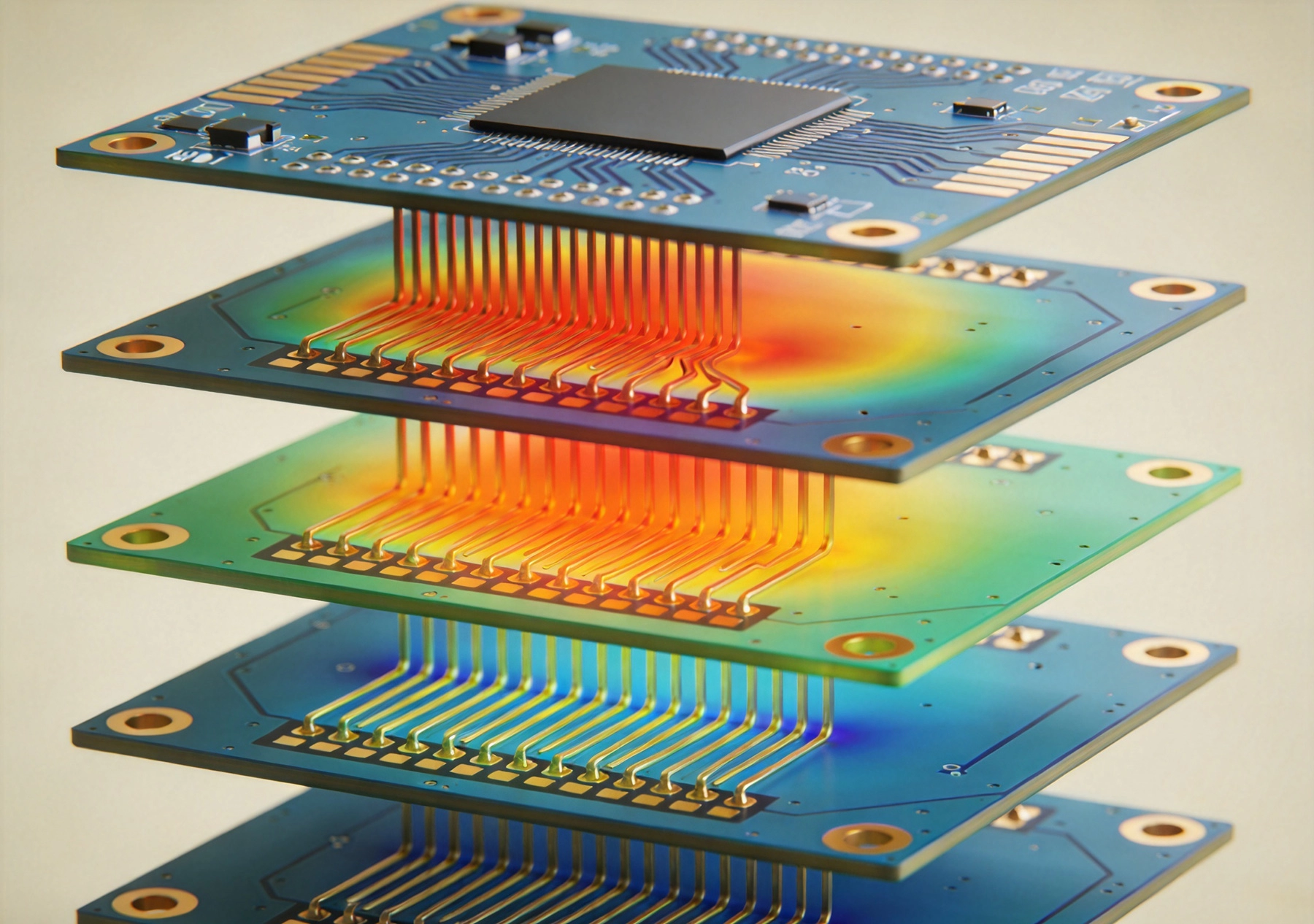
How to Use Thermal Simulation Software to Optimize HDI Layouts July/29/2026 High-Density Interconnect (HDI) technology has revolutionized PCB design by enabling unprecedented component density and miniaturization. However, the very features that make HDI powerful, tightly packed components, fine-pitch traces, and buried microvias, also create significant thermal managemen...
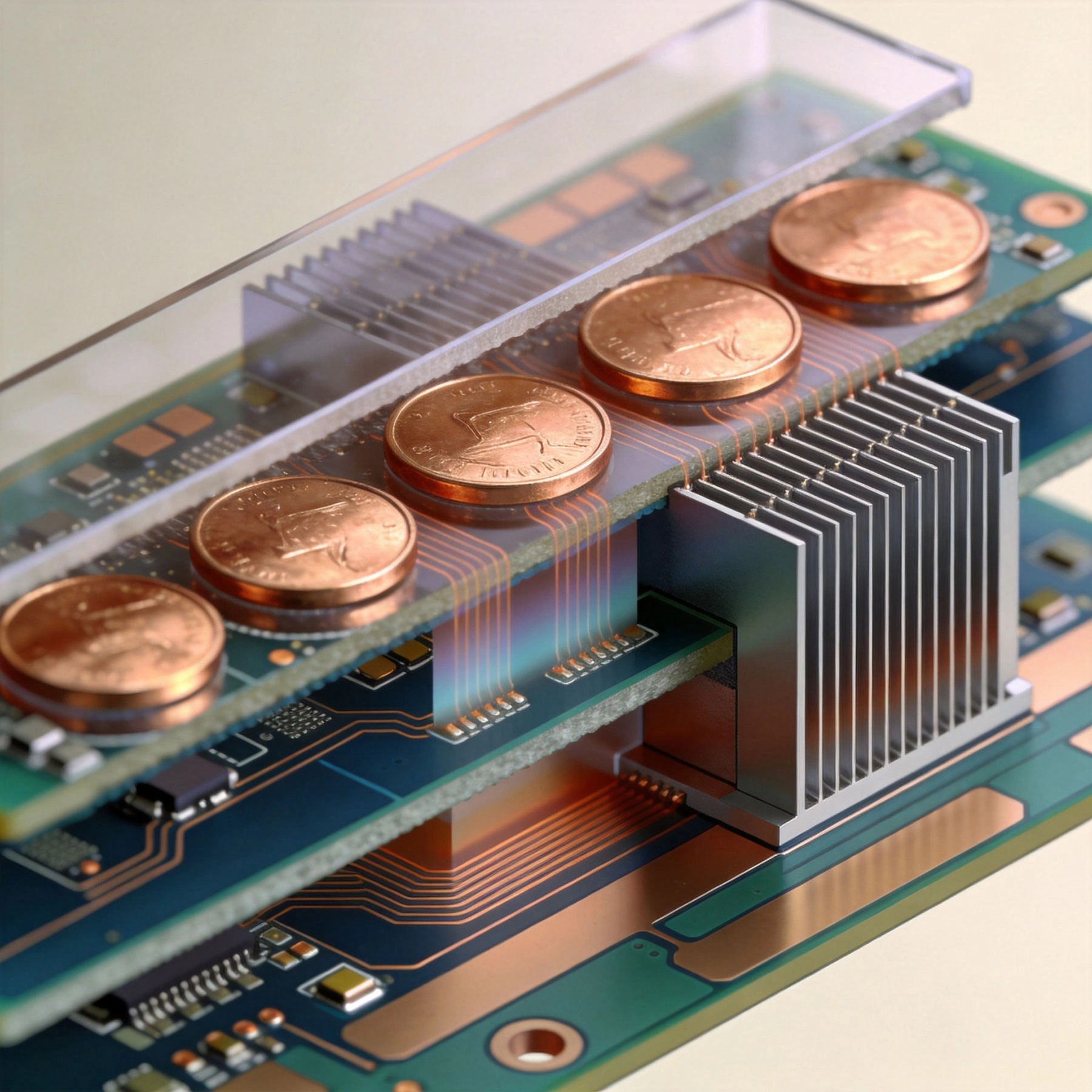
Copper Coin and Embedded Heat Sinks: Advanced Cooling for HDI July/08/2026 Heat kills electronics. Every watt that doesn't escape becomes thermal stress, degrading performance, accelerating wear, and eventually causing failure. As HDI boards pack more processing power into smaller spaces, managing heat becomes one of the most critical design challenges in modern electron...
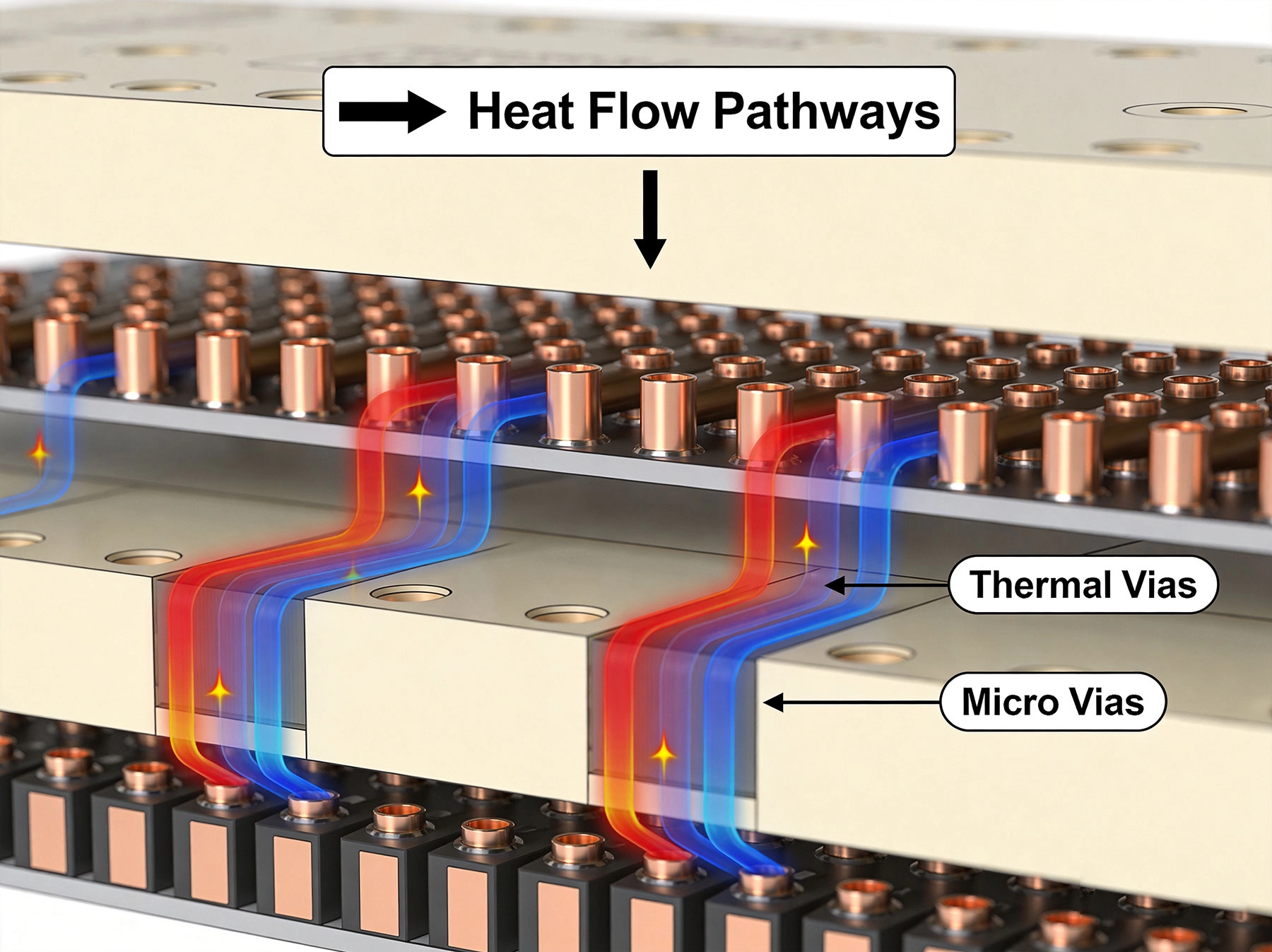
The Role of Thermal Vias in Dissipating Heat from HDI Boards June/09/2026 High Density Interconnect (HDI) boards have revolutionized modern electronics by enabling unprecedented miniaturization and performance in smartphones, tablets, and advanced computing systems. However, the same dense packing of components and routing that makes HDI technology powerful also creat...
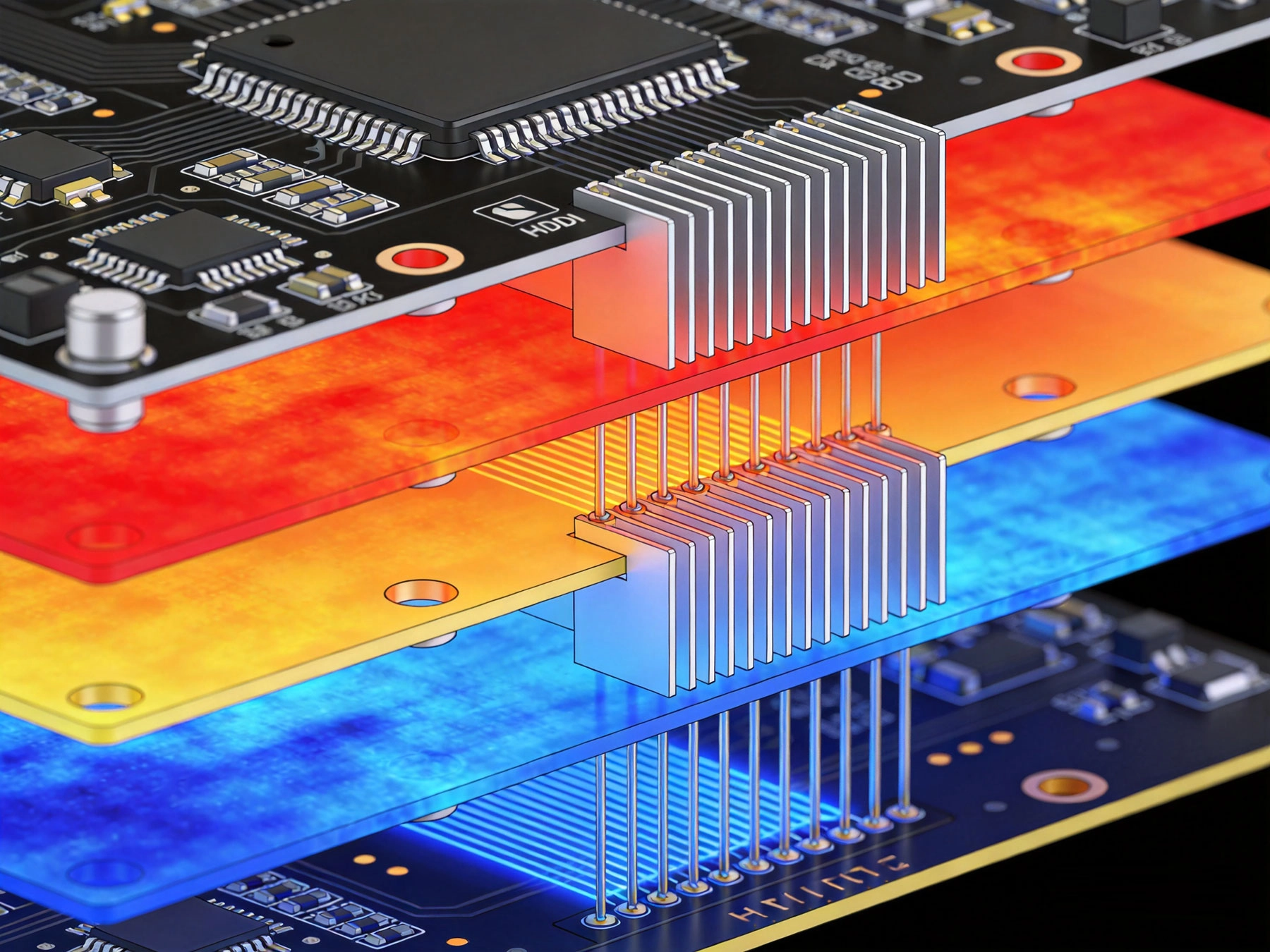
Effective Thermal Management Strategies for High-Density PCBs May/28/2026 Heat is the enemy of electronics. Every electronic component converts some electrical energy into heat, and as components get smaller, more powerful, and more densely packed, managing that heat becomes one of the most critical challenges in high-density PCB design. Get thermal management wrong, an...
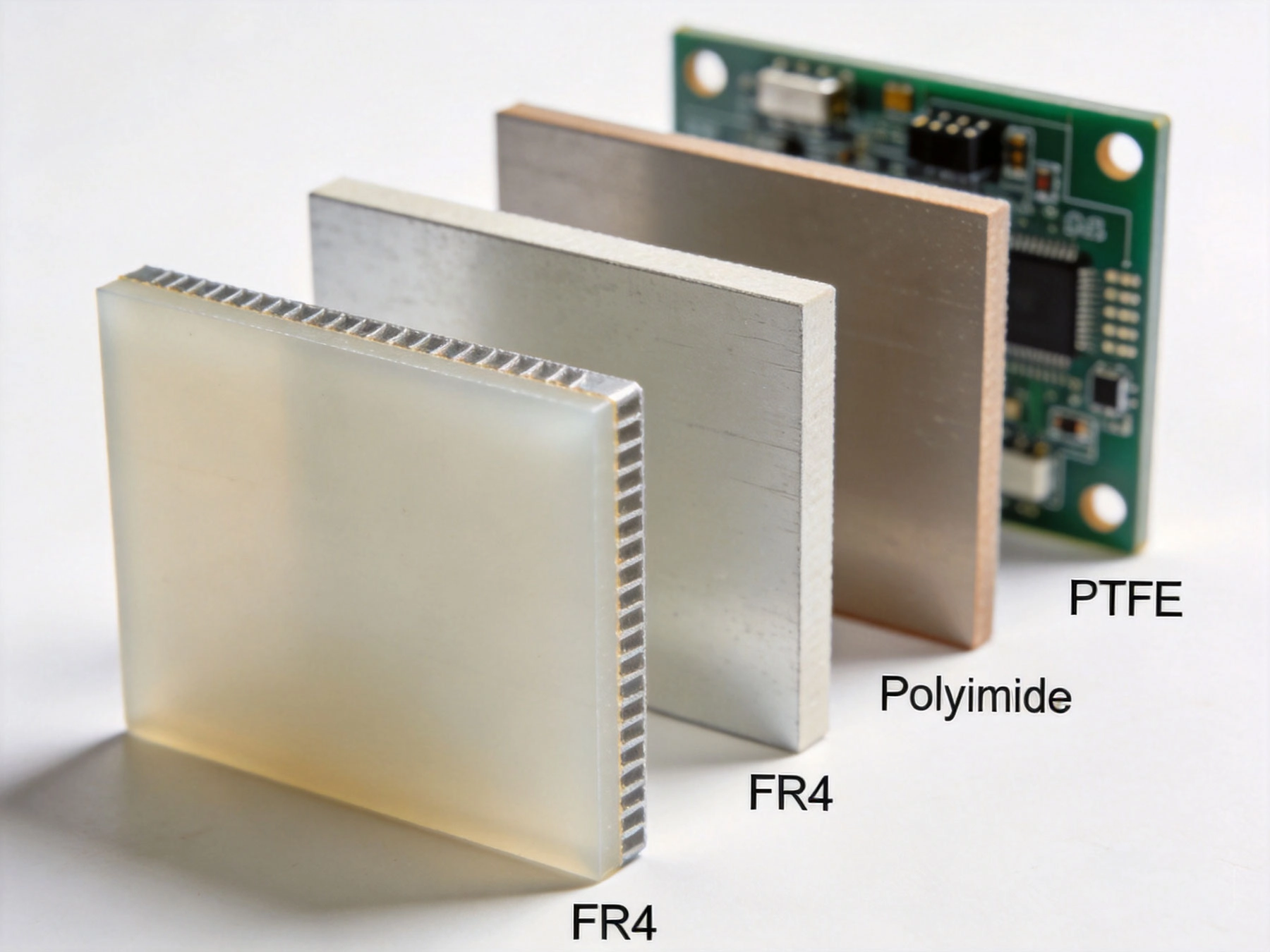
Selecting the Right Dielectric Materials for High-Performance HDI PCBs May/28/2026 The dielectric material you choose for your high-performance HDI PCB isn't just a passive substrate — it's one of the most critical design decisions you can make. It determines your board's electrical performance at high frequencies, how efficiently it manages heat, its mechanical durability under...