
Tailored solutions include the High Density Interconnect PCB for Consumer & IoT Electronics, enabling ultra-compact designs for smartphones and Wearables. For critical infrastructure, the High Density Interconnect PCB for Telecom 5G & High-speed Computing ensures low-loss data transmission in servers and base stations. In the automotive sector, the High Density Interconnect PCB for Automotive & EV Systems provides robust reliability for Adas and electric powertrains.
Furthermore, the High Density Interconnect PCB for Energy & Power Electronics handles high-current loads efficiently. Precision-driven fields benefit from the High Density Interconnect PCB for Medical & Healthcare Devices and the High Density Interconnect PCB for Aerospace, Defense & Avionics, which guarantee performance in extreme environments. Finally, the High Density Interconnect PCB for Industrial & Automation supports durable, high-speed control systems, delivering comprehensive electronic solutions across the global market.
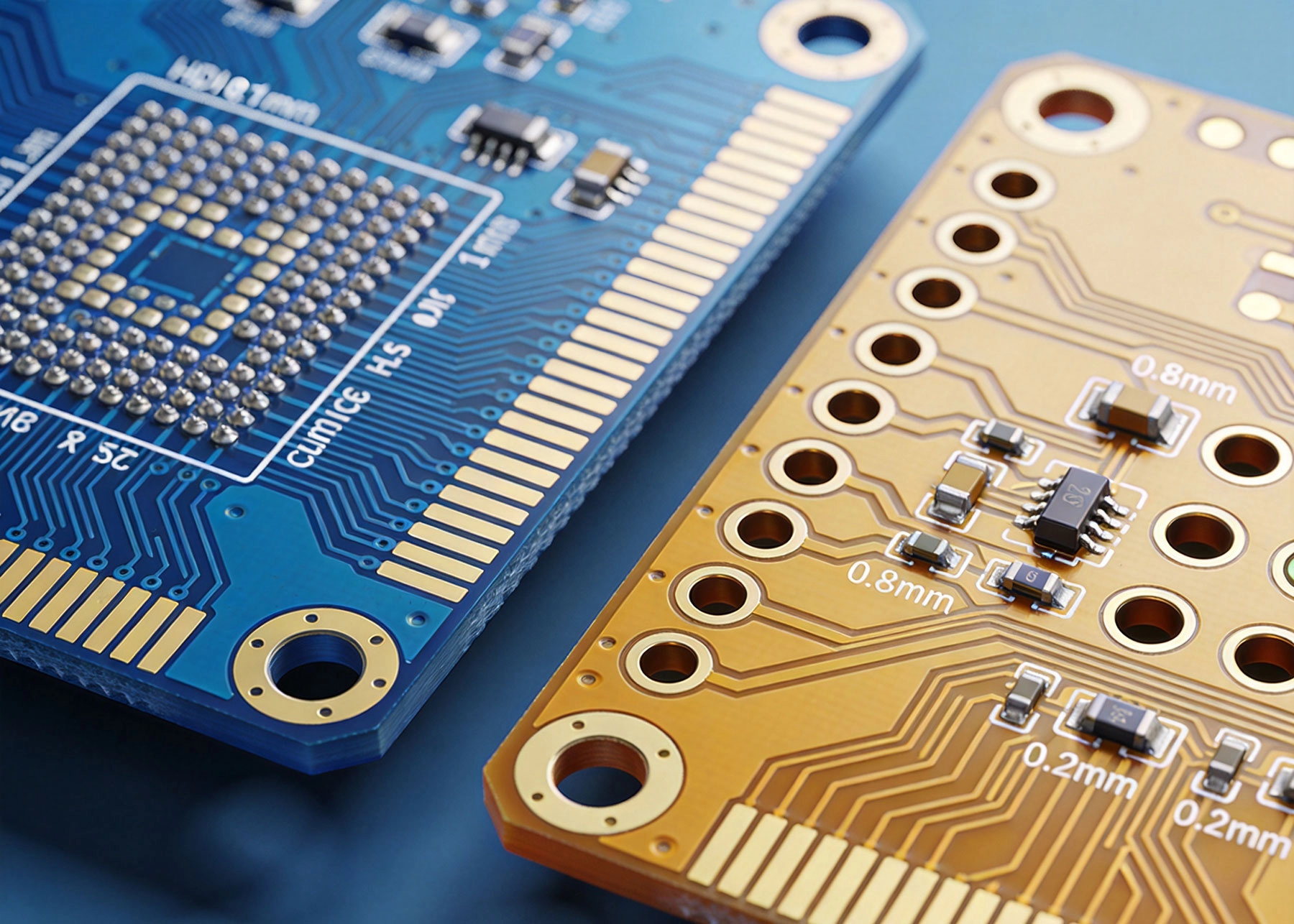
Understanding the Core Differences Between HDI and Traditional PCBs July/02/2026 Every PCB design decision carries consequences that ripple through your entire product. Choose the wrong board technology, and you're looking at either unnecessary cost or performance bottlenecks that haunt you through production. HDI versus traditional PCB technology is one of those fundamental f...
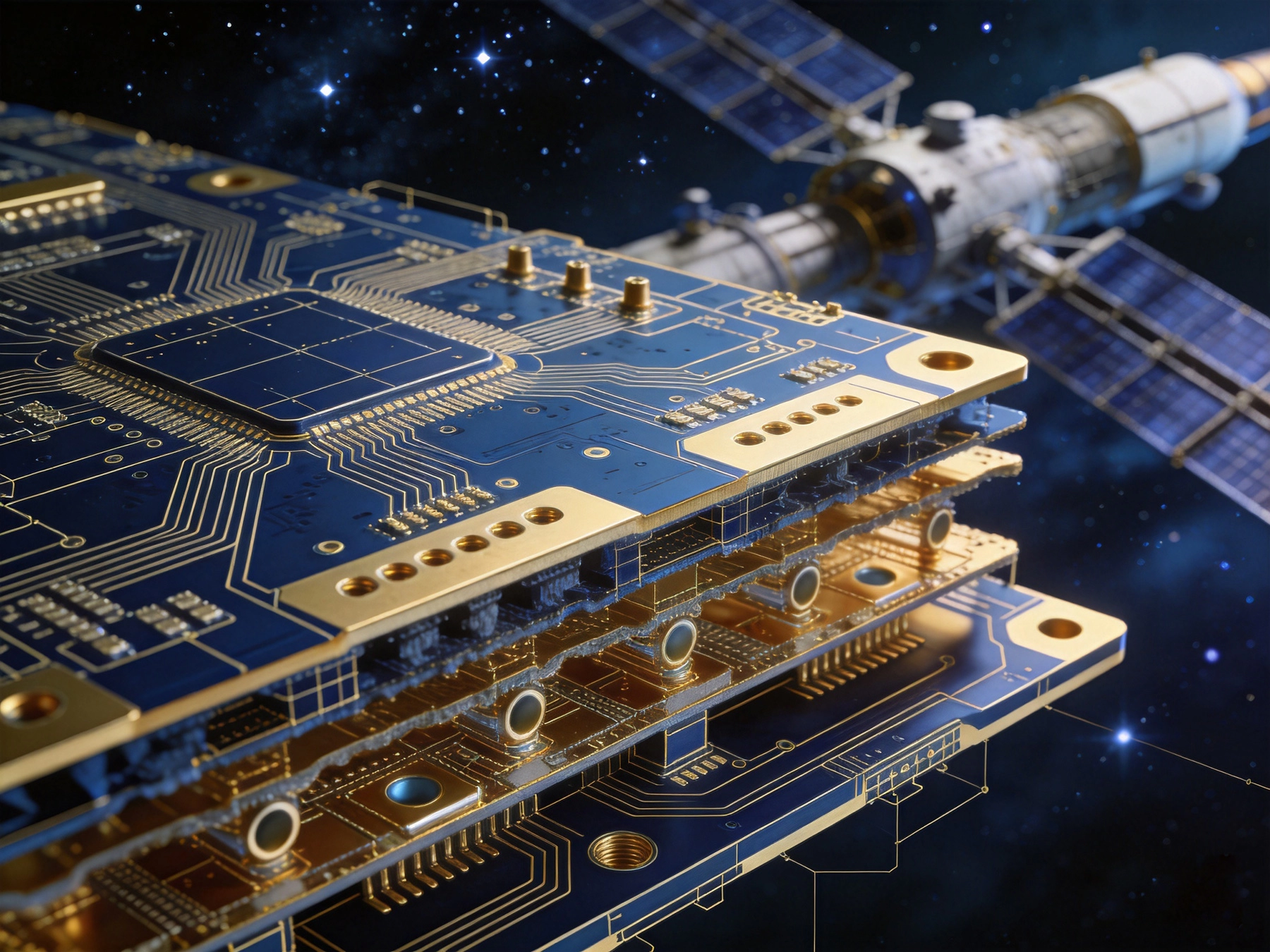
HDI PCB Requirements for Mission-Critical Aerospace Applications June/30/2026 High-density interconnect printed circuit boards have revolutionized aerospace electronics design. Mission-critical applications from satellite systems to flight control computers demand exceptional reliability, miniaturization, and performance. HDI technology meets these requirements through adva...
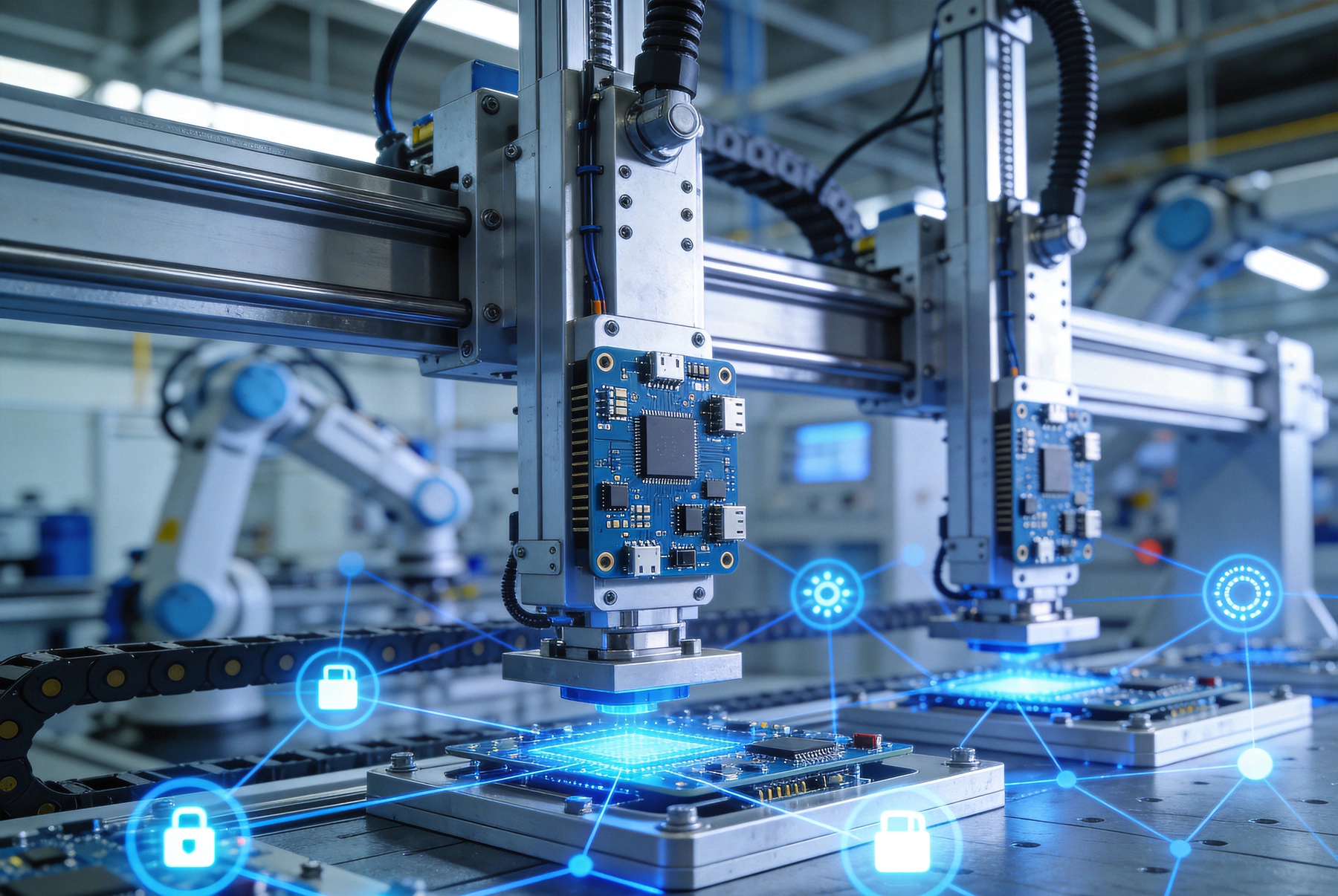
HDI PCBs in Industrial IoT (IIoT) and Smart Factory Sensors June/29/2026 Introduction The fourth industrial revolution is not coming — it is already here, and it runs on HDI PCBs. Smart factories today are dense forests of sensors: temperature monitors on bearing assemblies, vibration analysers on motor shafts, gas detectors in chemical processing units, and pressur...
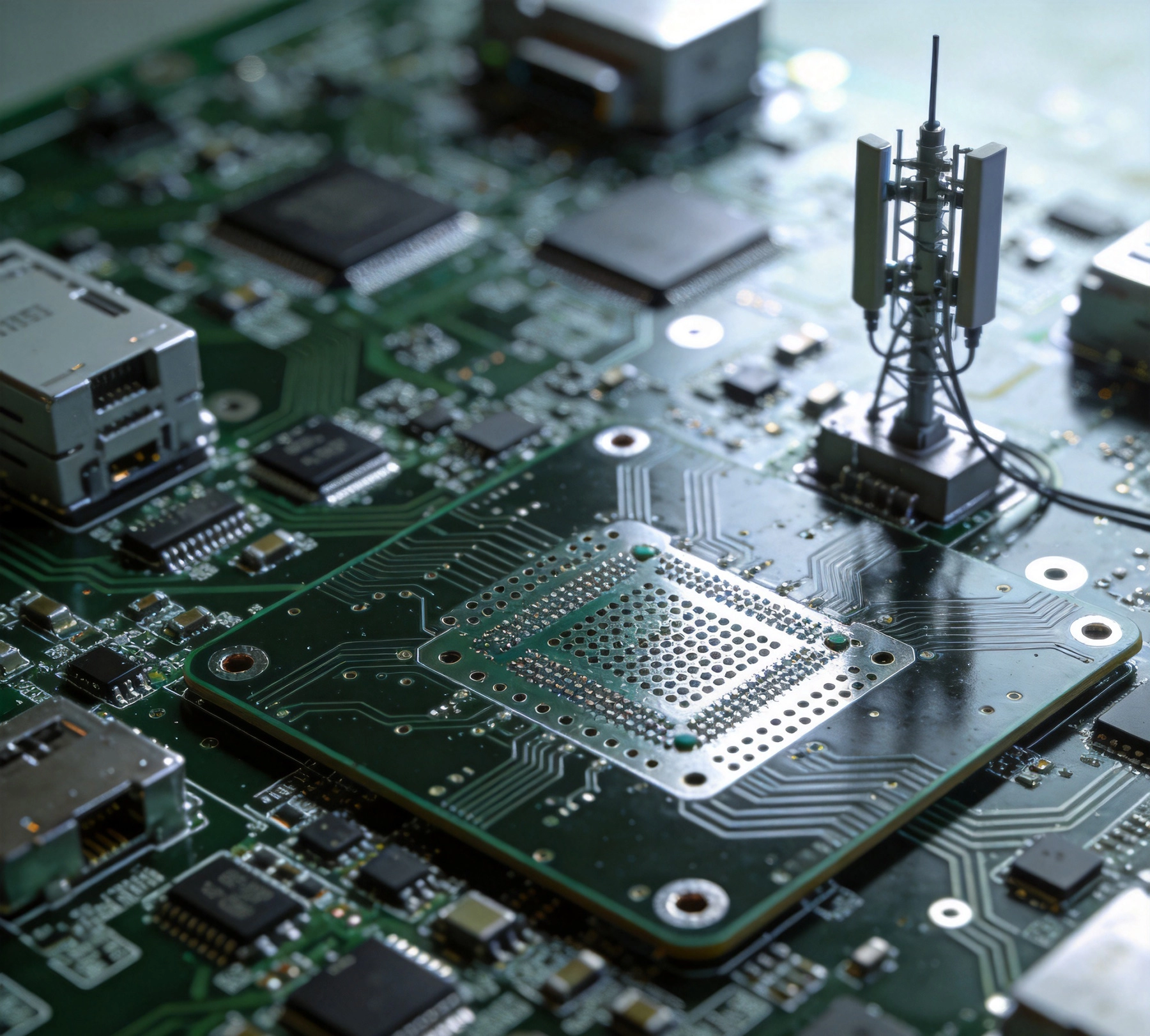
Enabling 5G Base Stations with Low-Loss HDI PCB Materials June/27/2026 The fifth generation of wireless technology represents more than just faster data speeds for mobile devices. 5G networks demand fundamental changes in infrastructure, from antenna arrays to backhaul equipment, and nowhere are those changes more visible than in the circuit boards that power base st...
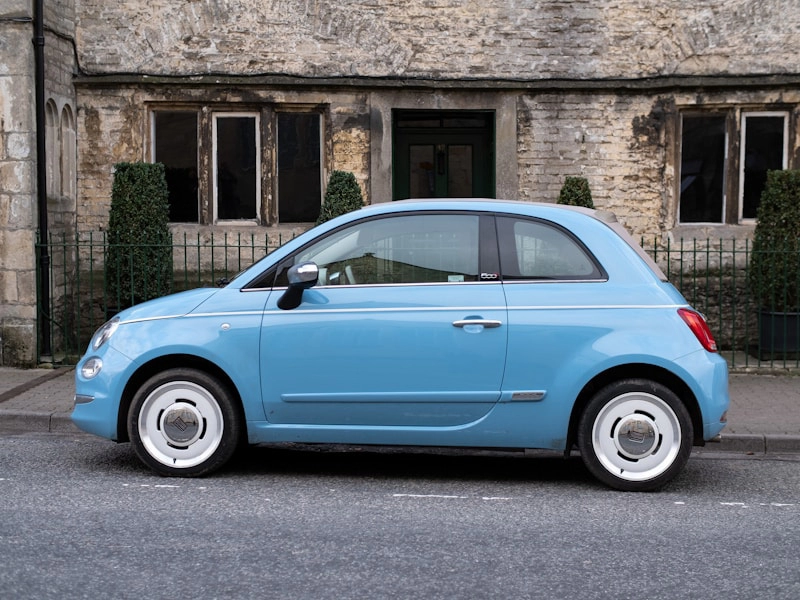
How HDI Technology Supports Advanced Driver Assistance Systems (ADAS) June/25/2026 The automotive industry is undergoing a revolutionary transformation as vehicles evolve from simple transportation machines into sophisticated, intelligent systems. At the forefront of this evolution are Advanced Driver Assistance Systems (ADAS)—technologies that enhance vehicle safety, comfort, a...
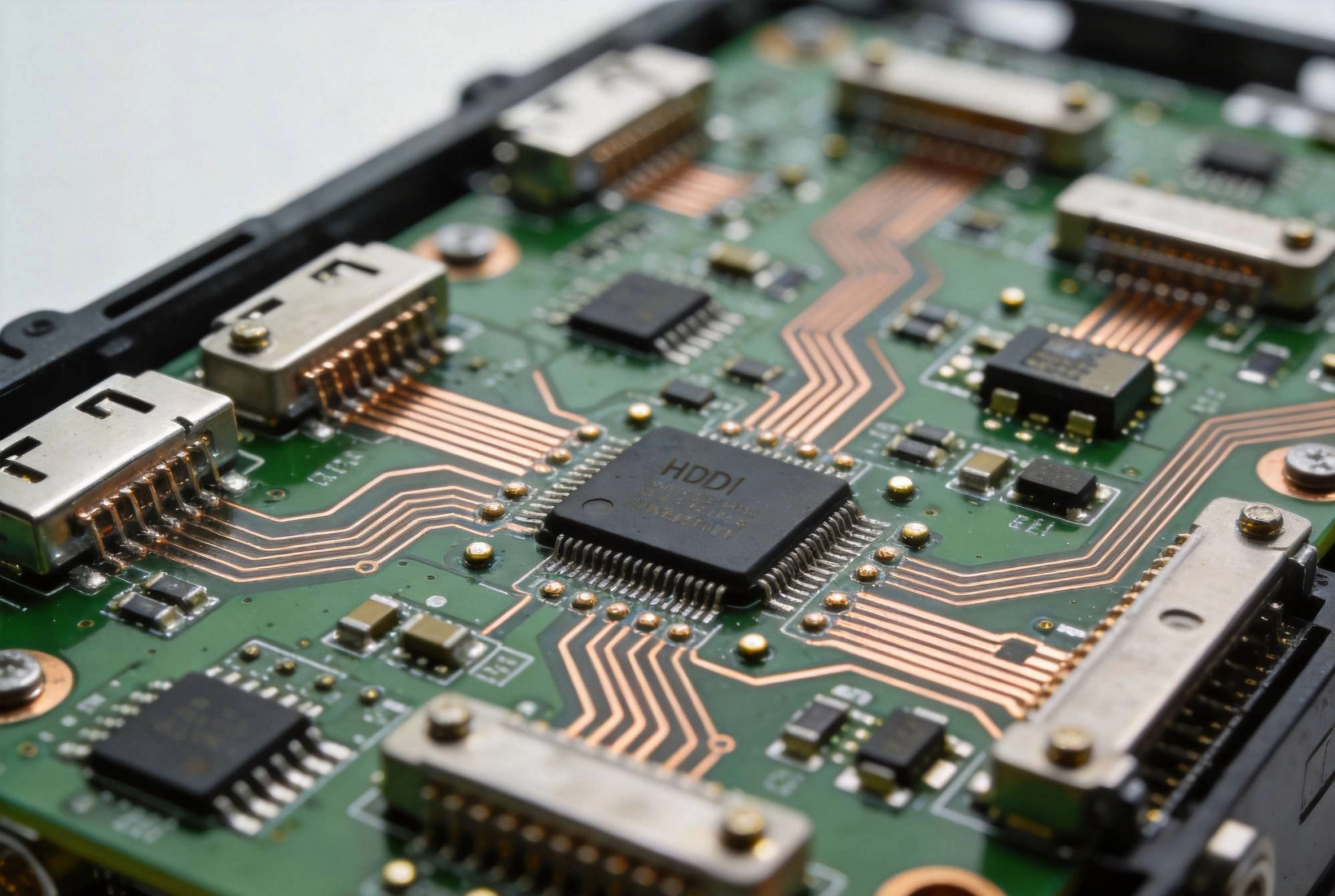
HDI Applications in Advanced Battery Management Systems (BMS) June/18/2026 The battery management system sits at the heart of every electric vehicle and grid energy storage installation. As these markets accelerate globally, the electronics driving battery safety, efficiency, and longevity face unprecedented demands. HDI PCB technology has emerged as the enabling foundat...
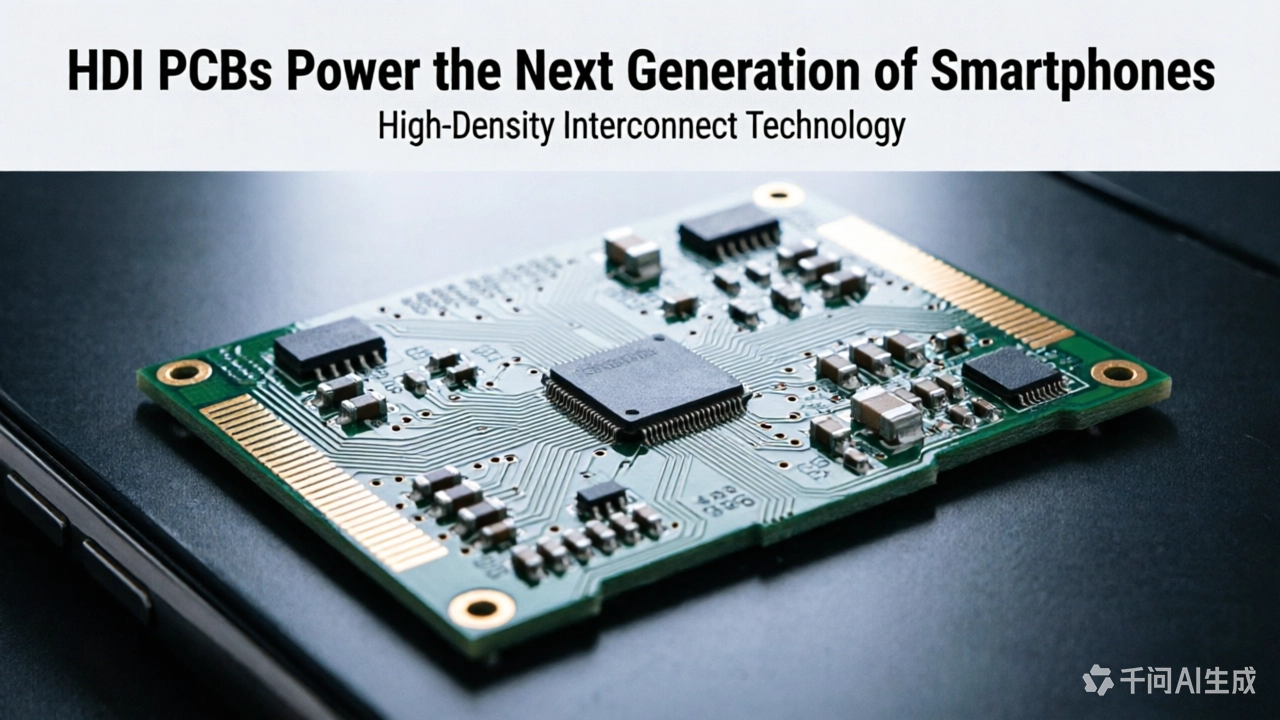
How HDI PCBs Power the Next Generation of Smartphones June/17/2026 The smartphone in your pocket is a marvel of miniaturization. Within its slim profile, dozens of chips, thousands of components, and miles of copper traces work together to deliver computing power that would have seemed like science fiction just two decades ago. At the heart of this technological ...
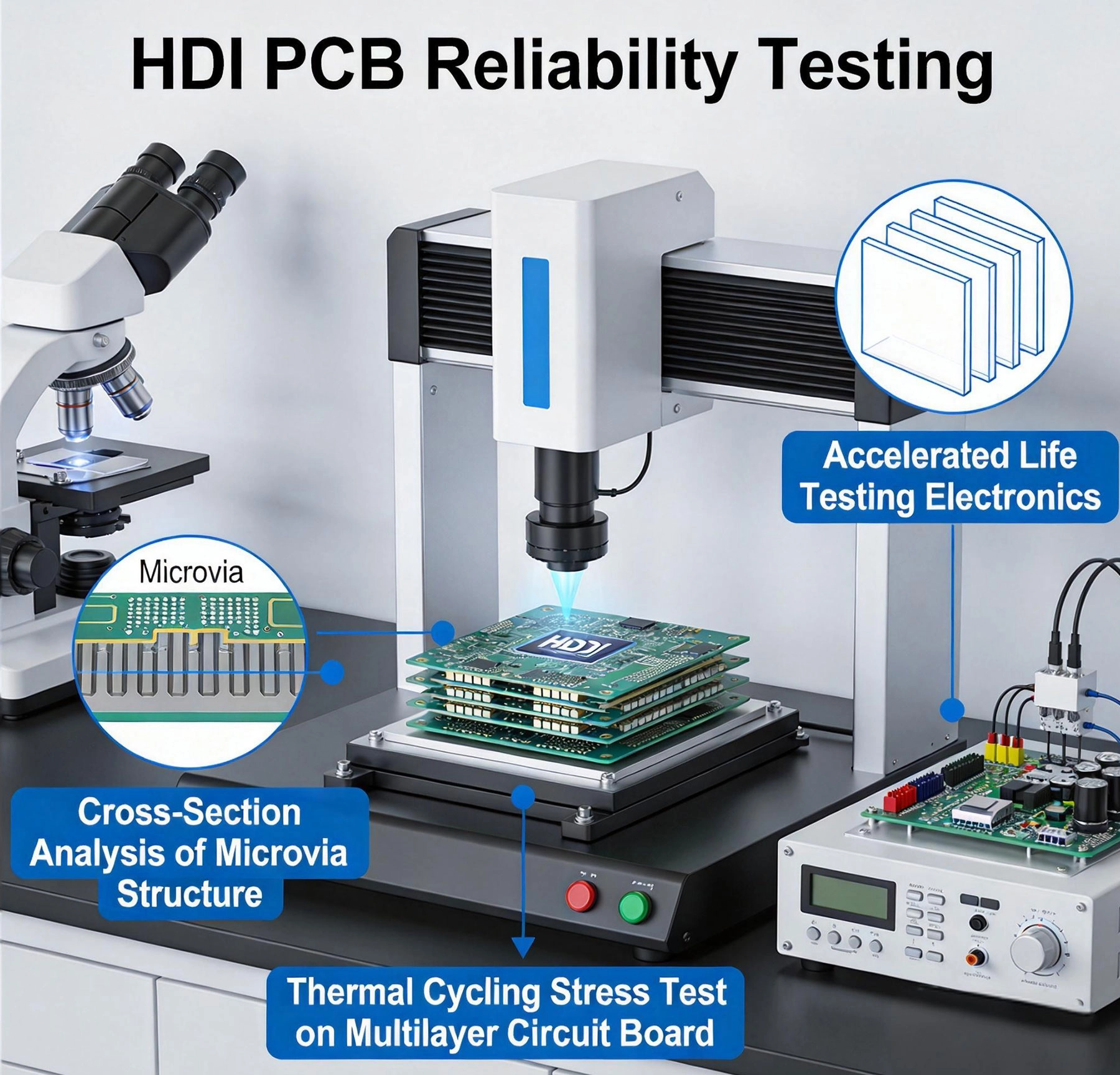
Key Factors Influencing the Long-Term Reliability of HDI PCBs May/28/2026 Every electronic product carries an implicit promise: it will work reliably for its intended service life. For a smartphone, that might mean 3-5 years of daily use. For an automotive electronic control unit, it's 15+ years and 150,000 miles of operation. For industrial equipment in factory automat...